Timeline

The process of proposing, developing, building, and integrating instruments to send to the surface of the Moon is a multiyear operation. All the major milestones are outlined below. Gold events are completed by the Lunar-VISE team. Blue events are controlled by the mission’s CLPS provider.
 

2022
Mission Selection
Mission Selection

Lunar-VISE was ONE of TWO missions selected through the NASA’s second call of the Payloads and Research Investigations on the Surface of the Moon (PRISM) program.
Authorization to Proceed (ATP)

The ATP enables the Lunar-VISE team to officially begin work on the mission, including a kickoff meeting with NASA.

2023
Landing Site Selection

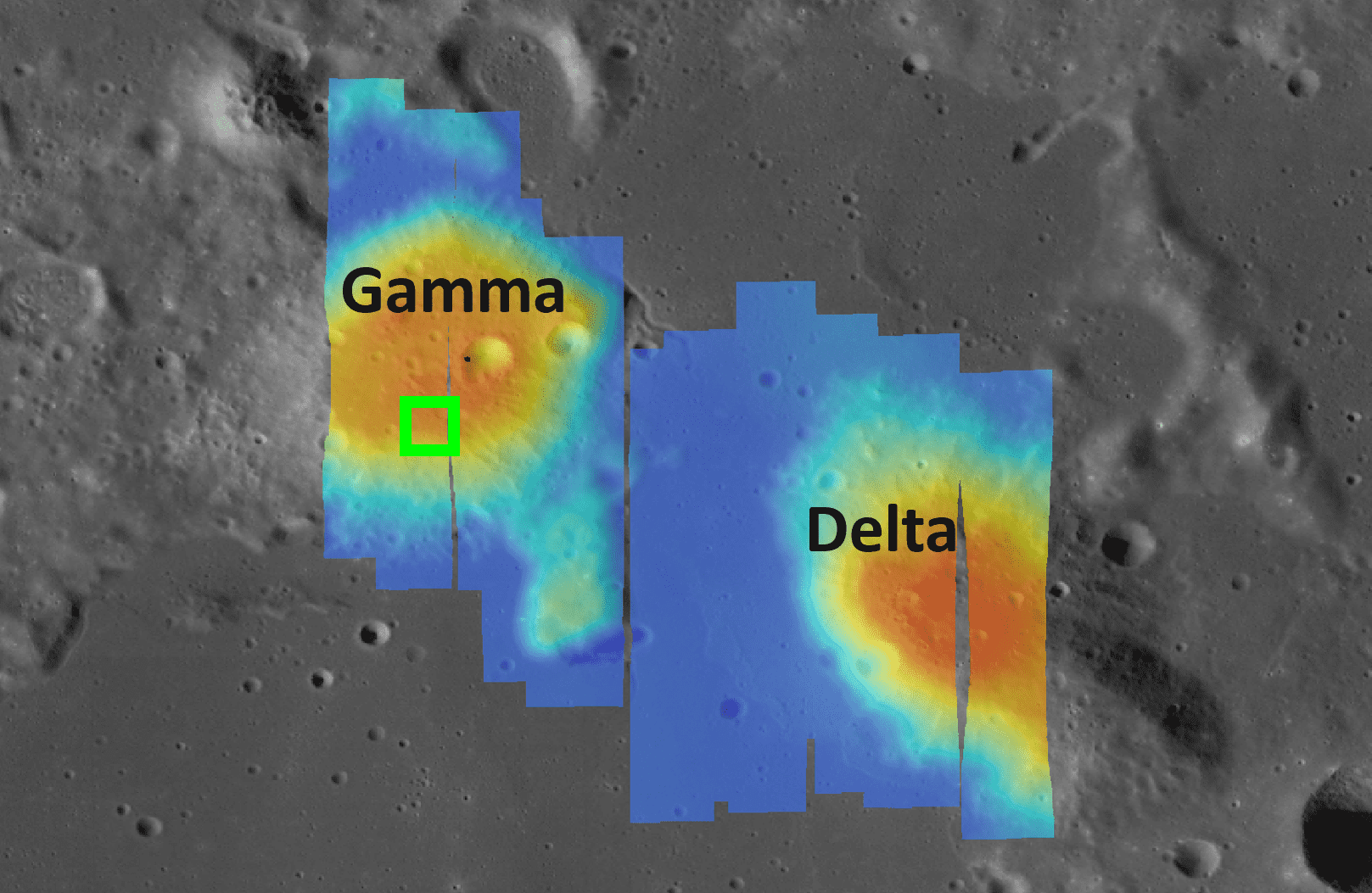
NASA’s Exploration Science Strategy and Integration Office (ESSIO) approved the landing site on Mons Gruithuisen Gamma selected by the Lunar-VISE team. The Lunar-VISE team worked for several months identifying sites of scientific interest, mapping potential hazards and traverse areas before selecting the landing site and outlining a notional mission scenario.
Technical Interchange Meeting (TIM)

The TIM is the initial presentation to NASA about the planned design and current status for the Lunar-VISE instruments, science investigation, and concept of operations. Passing this allowed us to proceed with instrument design and development.

2024
Critical Design Review (CDR)
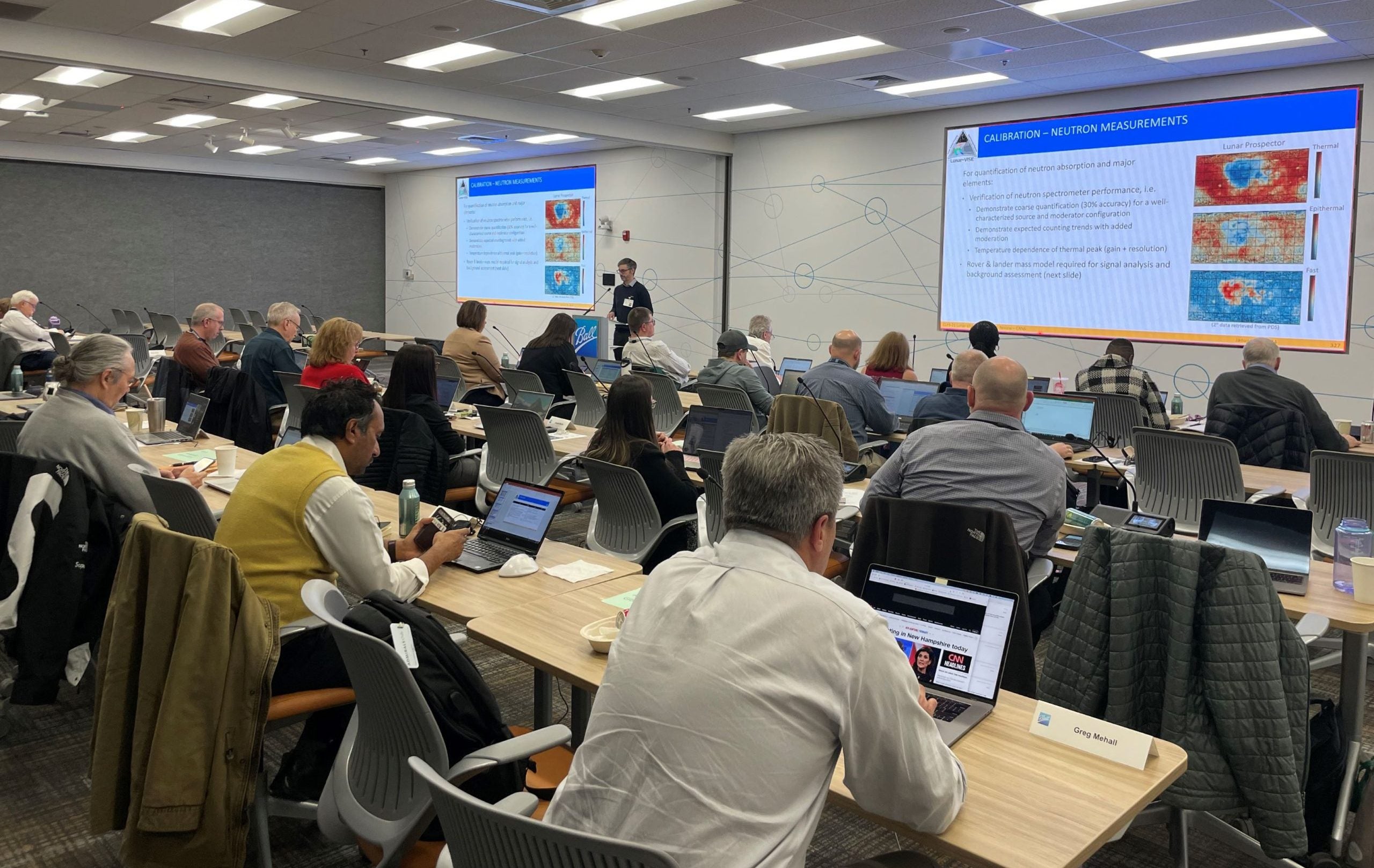
Lunar-VISE team member presenting slides to a conference room of people during the CDR

The CDR consists of a presentation to an independent assessment team (IAT) and NASA on the design and current status of the Lunar-VISE instruments and how they will successfully meet our mission objectives. A CDR informs NASA of the technical risks and the program’s readiness to proceed into fabrication, system integration, demonstration and test. The team passed CDR with the IAT giving several Requests for Action (RFAs) to address outstanding issues.
Key Decision Point (KDP) Review

The KDP is a review at which the readiness of the project is assessed to either progress to the next phase of the project life cycle (or to the next KDP) or to be terminated. The Lunar-VISE Program Manager, Program Scientist, and Project Scientist presented the results from the Lunar-VISE CDR and the IAT’s findings. NASA ESSIO gave the approval to proceed forward with building the Lunar-VISE payload.

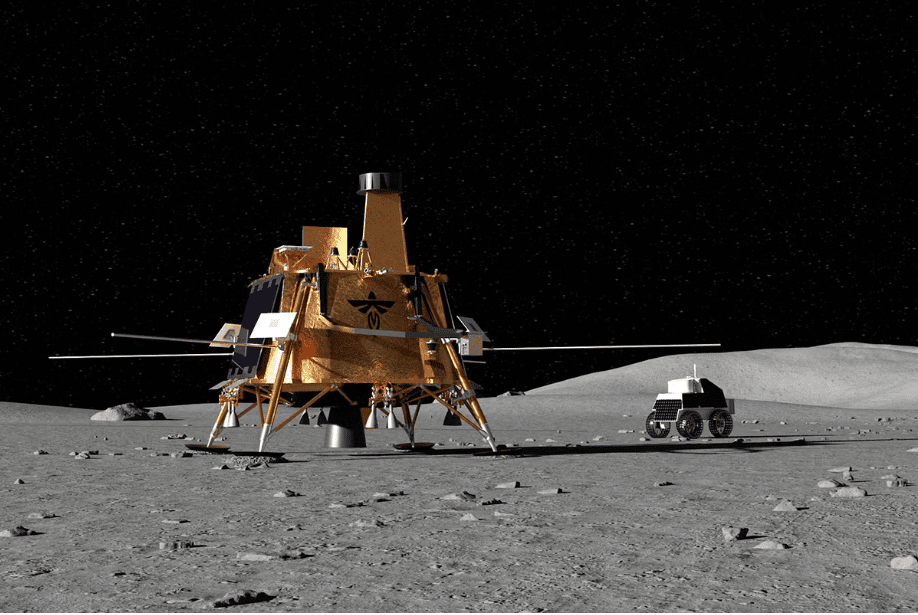
Lander & Rover Selection

NASA selected Firefly Aerospace as the lander and rover provider to deliver the CP-21 mission. This selection is based on proposals submitted in response to a request for proposals.
Image Credit: Firefly Aerospace
2025
Instrument Build and Environmental Testing Activities

Lunar-VISE instrument builds are being completed, and undergoing thermal, vacuum, and vibration testing.

2026
System Integration and Acceptance Reviews (SIR)
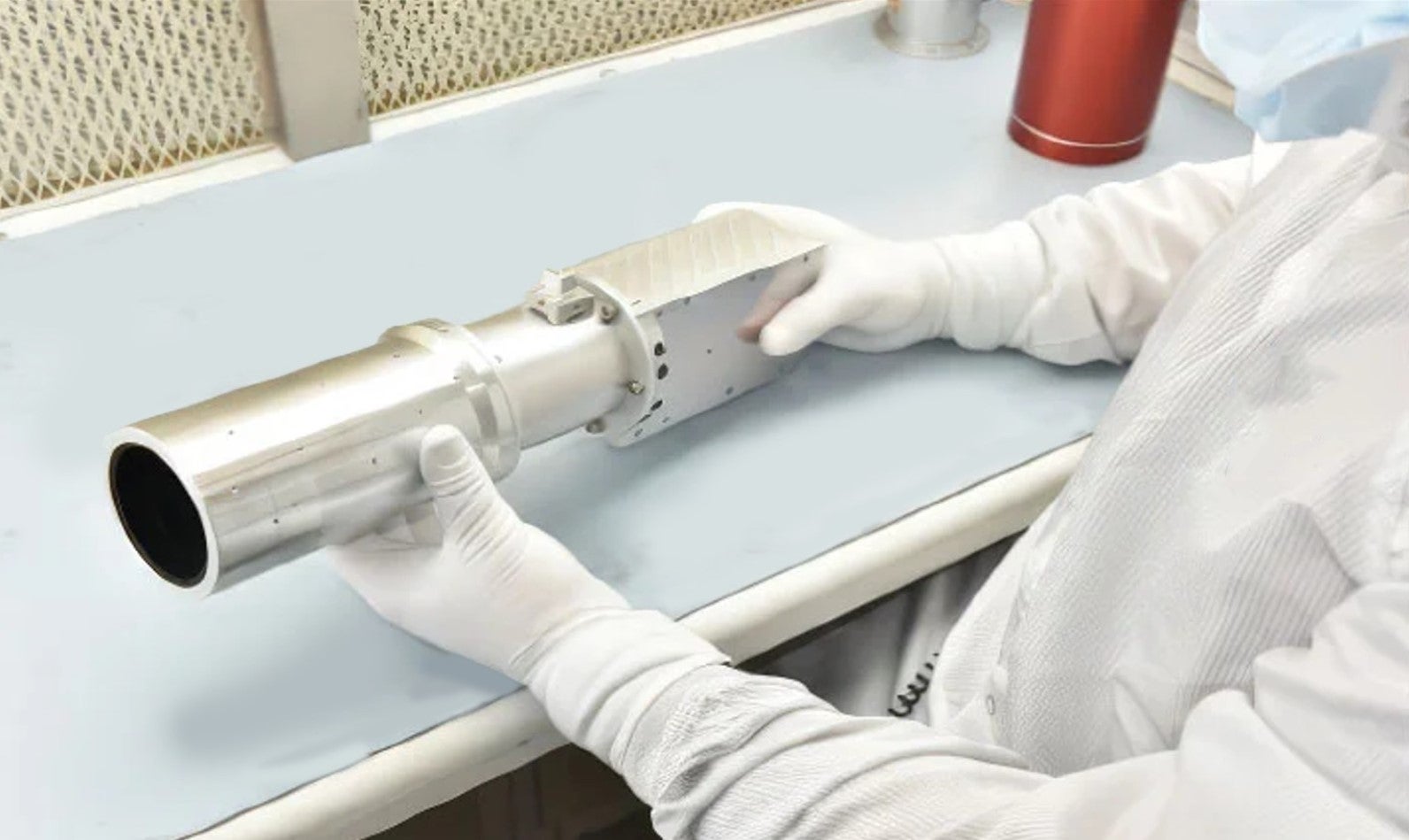
BAE Systems image of the GeoSpace Camera chosen for the LV-CC and LV-DC

The SIR is a final check to ensure the Lunar-VISE instruments are ready to be integrated onto the lunar lander and rover. This check determines if they’re acceptable for their intended operations, including design, reliability, safety, and functionality across all components.
Image credit: BAE Systems

Lunar-VISE Instruments Build Finalized

The end of instrument development and testing for the Lunar-VISE payload.

Instrument Storage

Instruments will be put in storage at BAE Systems and Arizona State University until the lander and rover providers are ready for them.

Lunar-VISE Instruments Delivered to Lander and Rover

Instruments will be delivered to the CLPS provider for their integration on the lander and rover.

2028
Mission Readiness Review (MRR)

A full CP-21 mission readiness review, including Lunar-VISE and the other CP-21 payloads on the lander will be conducted. The MRR evaluates the readiness of the mission plan to successfully accomplish the science and exploration objectives. The MRR is expected to be held four to six weeks prior to launch.

Estimated Mission Launch Date
Estimated Landing Date
Surface Mission

Lunar-VISE instruments will take measurements over the course of approximately 10 Earth days (one lunar day).

2029
Data Archival Complete

After the mission, the data will be archived in the NASA Geosciences Planetary Data System (PDS) for the planetary science community to download and use.