
Principal Investigator:
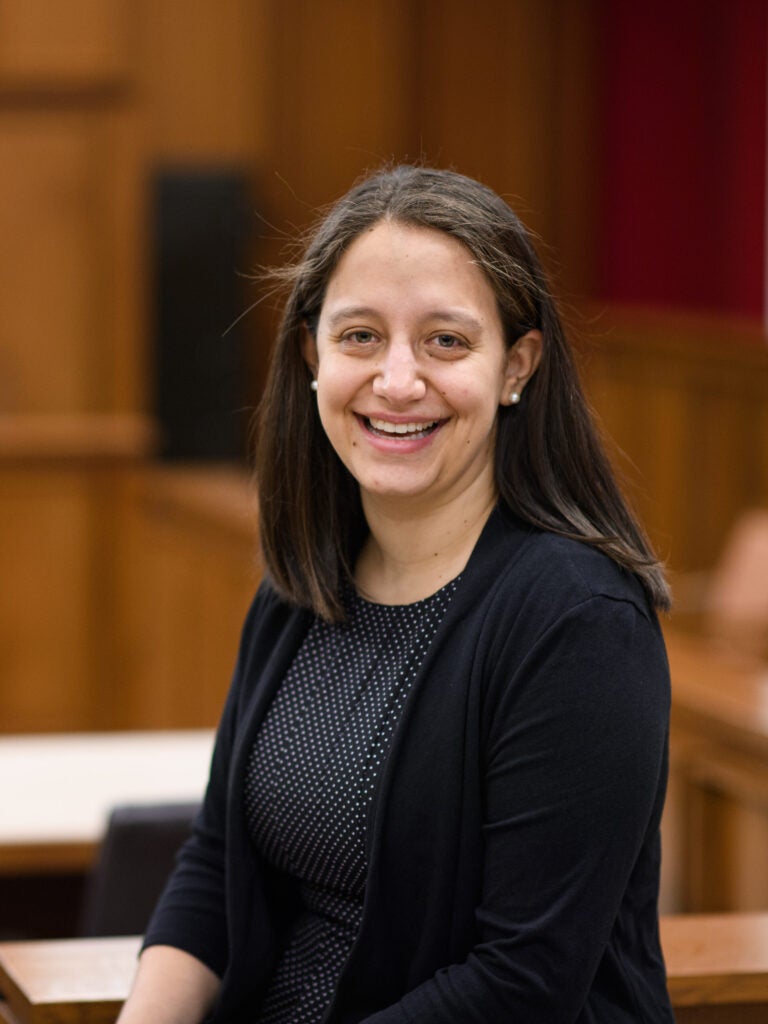
Dr. Rachel Greenspan
Assistant Professor – Lab Director
rachel.greenspan@ucf.edu
Dr. Rachel Leigh Greenspan is an Assistant Professor in the Department of Psychology at the University of Central Florida. She earned her Ph.D. in Psychology and Social Behavior from the University of California, Irvine, and completed a postdoctoral fellowship at the Quattrone Center for the Fair Administration of Justice at the University of Pennsylvania Carey Law School. Her research takes an applied, interdisciplinary, and multi-method approach to studying questions at the intersection of psychology, criminal justice, and the law. Her main research interests focus on the development and downstream consequences of memory errors, particularly in the criminal legal system.
Graduate Students:
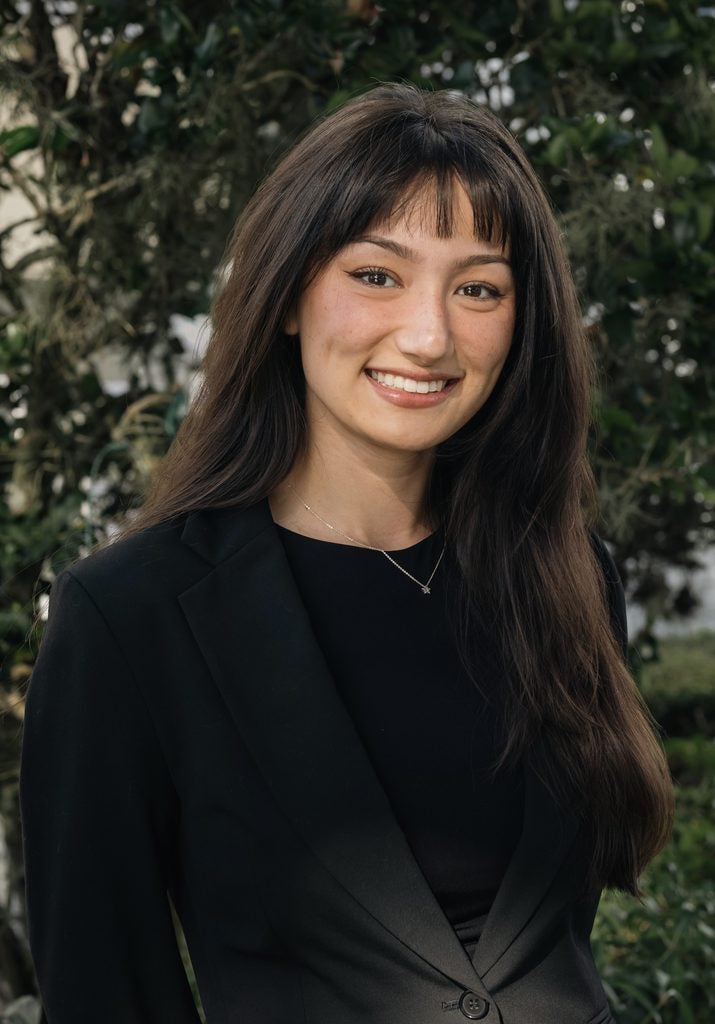
Victoria Fernandez
Ph.D. Student
Victoria Fernandez is a Ph.D. student in Human Factors and Cognitive Psychology at the University of Central Florida. She earned her B.S. in Psychology with a focus in Behavioral and Cognitive Neuroscience and a minor in Statistics from the University of Florida. Her research takes an interdisciplinary approach to understanding how emerging technologies, particularly artificial intelligence, interact with human cognition and learning. Her primary research interests focus on developing human-centered AI systems that support meaningful learning and cognitive engagement rather than simply increasing speed or efficiency. She is particularly interested in how AI-assisted information seeking influences learning, memory, metacognition, and decision-making, and how these systems can be designed to complement rather than replace human cognitive processes.
Undergraduate Students:
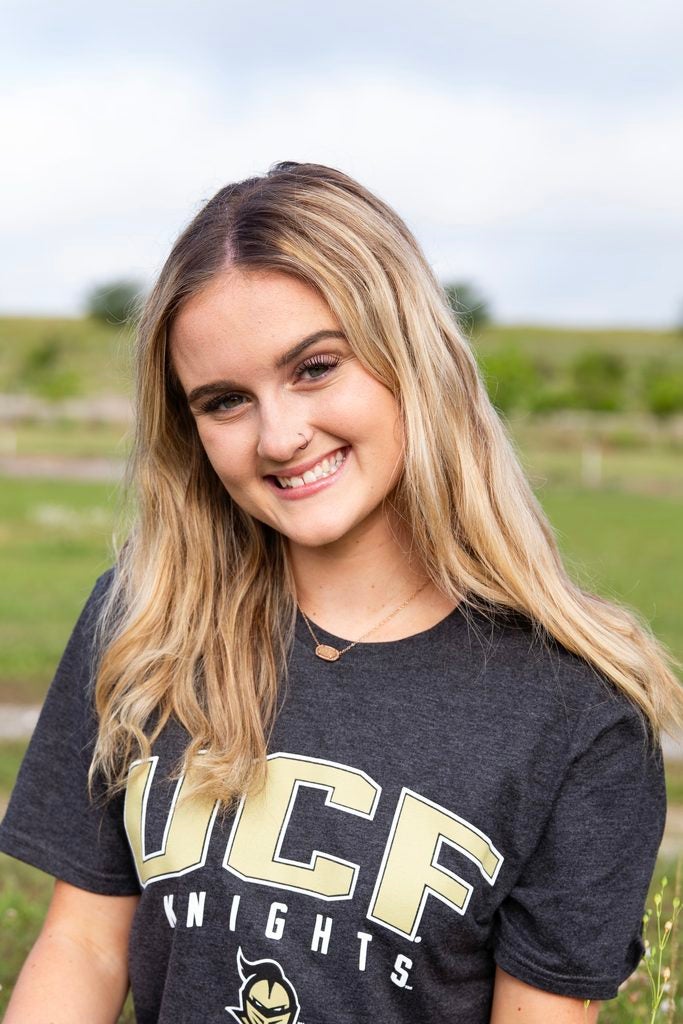
Madelyne Wade
Undergraduate Research Assistant
Madelyne Wade is a junior studying Psychology at the University of Central Florida. She is specifically interested in where psychology meets the law, especially when it comes to eyewitness identification and how AI is altering our legal system. My ultimate career goal is to go to law school and work toward positive reform using evidence-based research.
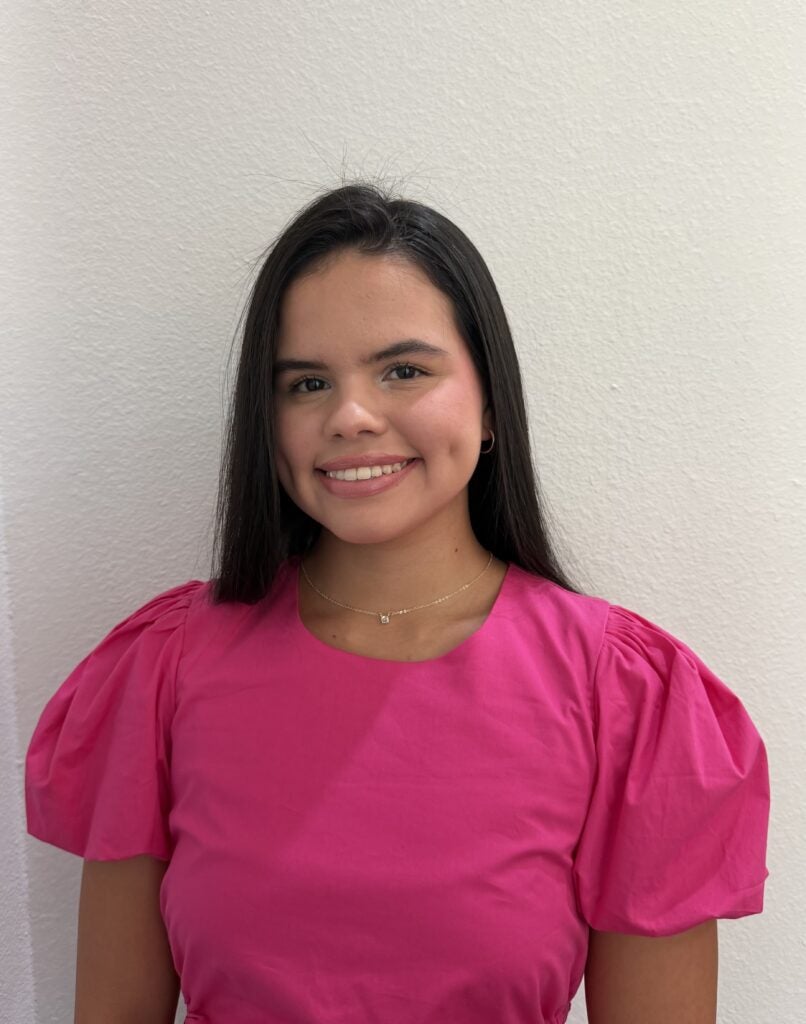
Gabriela Paredes
Undergraduate Research Assistant
Gabriela Paredes is a sophomore at the University of Central Florida majoring in Psychology with minors in Cognitive Science and Statistics. Her research interests center on memory, attention, and decision-making, with a particular interest in understanding how memory can be influenced and how these processes shape real-world judgments and decisions. She plans to pursue a PhD in Clinical Psychology and continue conducting research in these areas
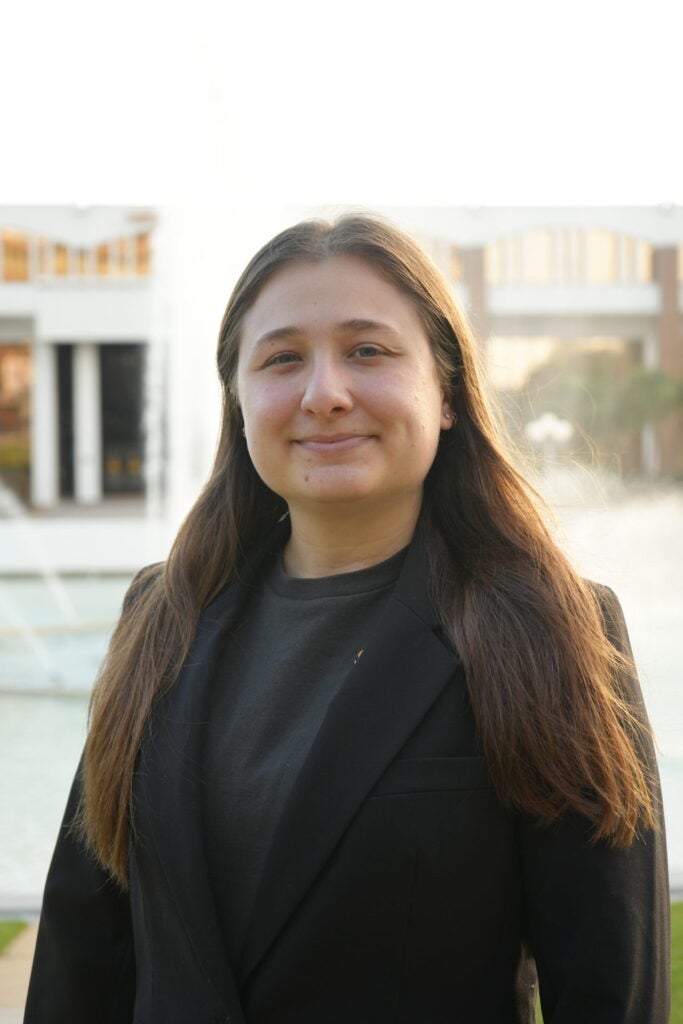
Bella Rovira
Research Assistant
Bella is a junior majoring in Psychology on the Clinical Track. Her research interests lie within the intersection of cognitive and health psychology, specifically the realm of eating behaviors and food psychology. She plans to pursue a Ph.D. in Psychology to continue research in these areas. Currently in the LAMP Lab, Bella is translating Miranda policies from Spanish to English and noticing discrepancies in the way the warnings are said. Overall, the goal is to see how Spanish Speakers can be negatively affected due to errors in translations.