Bridging Cognitive Theory and Emerging Technologies
THE Lab studies how people interact with technological systems in increasingly complex environments. By integrating cognitive theory with advanced techniques such as eye tracking, virtual reality, and computational modeling, we investigate the mechanisms that drive human performance in the modern world.
ABOUT
Exploring the human side of technological innovation
Our research addresses challenges at the intersection of technology, humans and their environments, spanning domains such as digital exploitation, healthcare, and virtual reality. We aim to provide evidence-based insights that can help develop systems that are more intuitive, effective, and safer for humans.
Our philosophy is that humans should be at the center of technological innovation, and that systems should be designed with human capabilities and limitations, in mind.
RESEARCH
What we study

Digital
Exploitation
With AI making scams more convincing than ever, our research focuses on understanding vulnerability to digital exploitation and developing tools to help people recognize and avoid scams.

Healthcare
& Imaging
Our research examines how people search for and interpret complex medical information with the goal of improving diagnostic decision-making and patient outcomes.
Virtual Environments
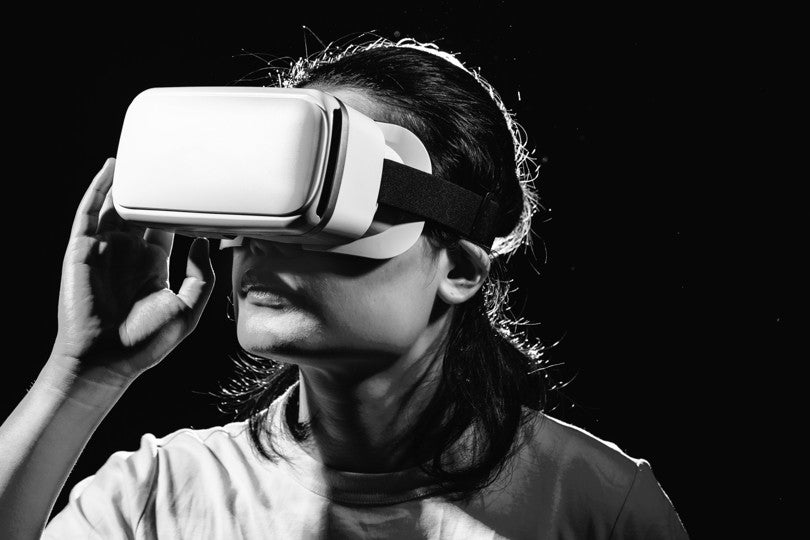
We investigate how virtual environments influence visual cognition, exploring topics including spatial navigation, cybersickness, and memory to improve the design of immersive technologies.
PEOPLE
Meet our team
Lab Directors


Postdoctoral Researchers

Dr. jessica goetz
Graduate Students
Sean hinkle
6th year graduate student
Lillie del Real
4th year graduate student
katharine sabo
5th year graduate student
Xavier pham
3rd year graduate student
angelic busciglio
4th year graduate student
Maria levanindova
2nd year graduate student
RECENT PUBLICATIONS
MATCH: A toolbox to assess the primary color of real-world objects and generate color-matching stimuli goes here
Behavior Research Methods (2025) 🔗
Exploring shared cognitive mechanisms underlying susceptibility to and reporting of deception across digital domains
Applied Ergonomics (2026) 🔗
Untangling the Web of Deceit: Examining Shared User Susceptibility Across Five Types of Digital Deceptions
Human Factors (2026) 🔗
JOIN THE LAB
Interested in working with us?
UNDERGRADUATE RESEARCH ASSISTANTS
Apply for an Undergraduate Research Assistant Position Here
GRADUATE STUDENT APPLICATIONS
Interested in the Human Factors and Cognitive Psychology PhD Program?
Dr. Neider and Dr. Sarno are both considering PhD applicants for the 2027–2028 academic year. Prospective students whose research interests align with THE lab are encouraged to reach out via email.