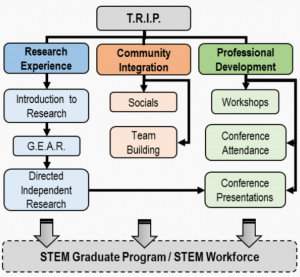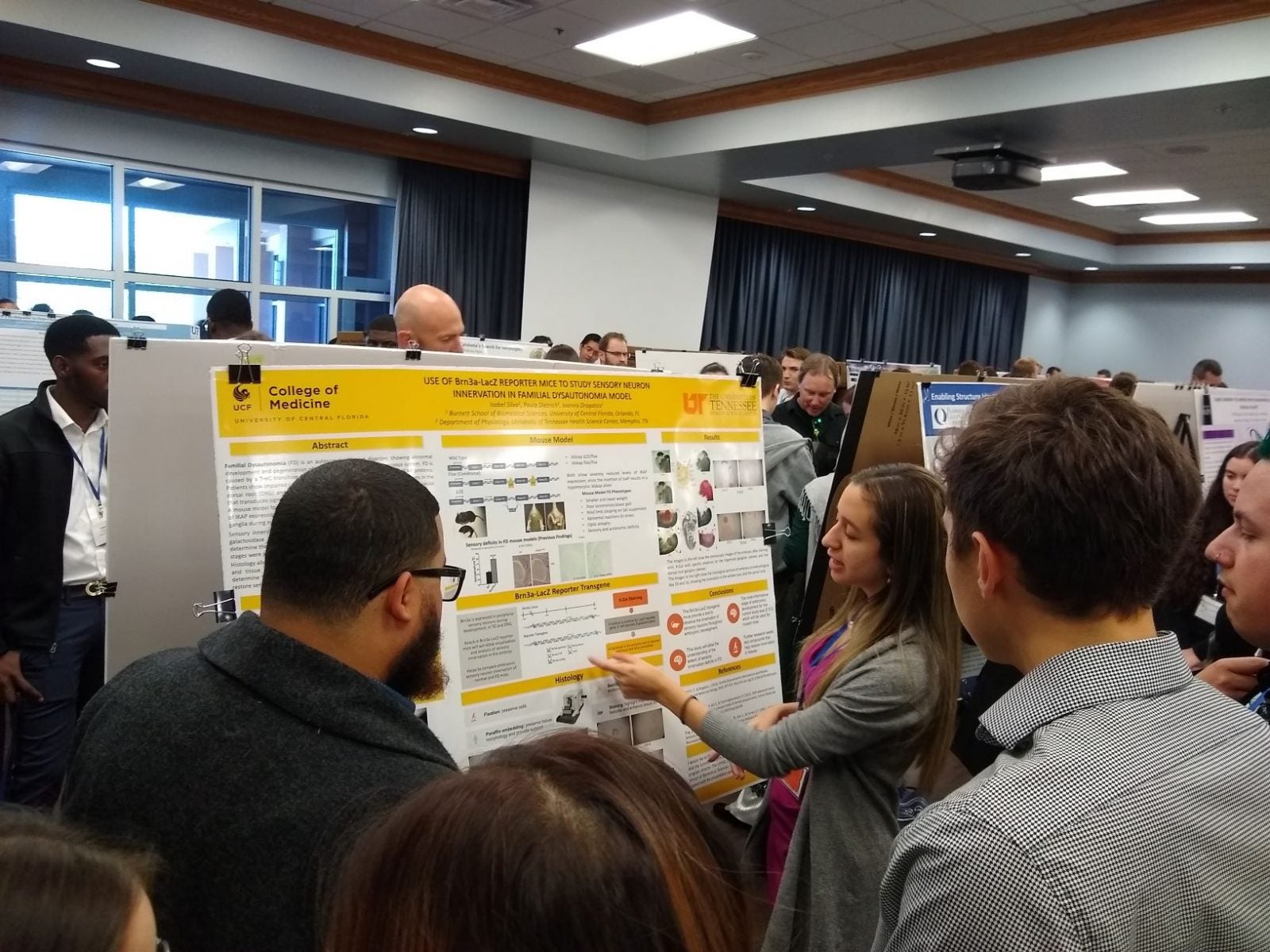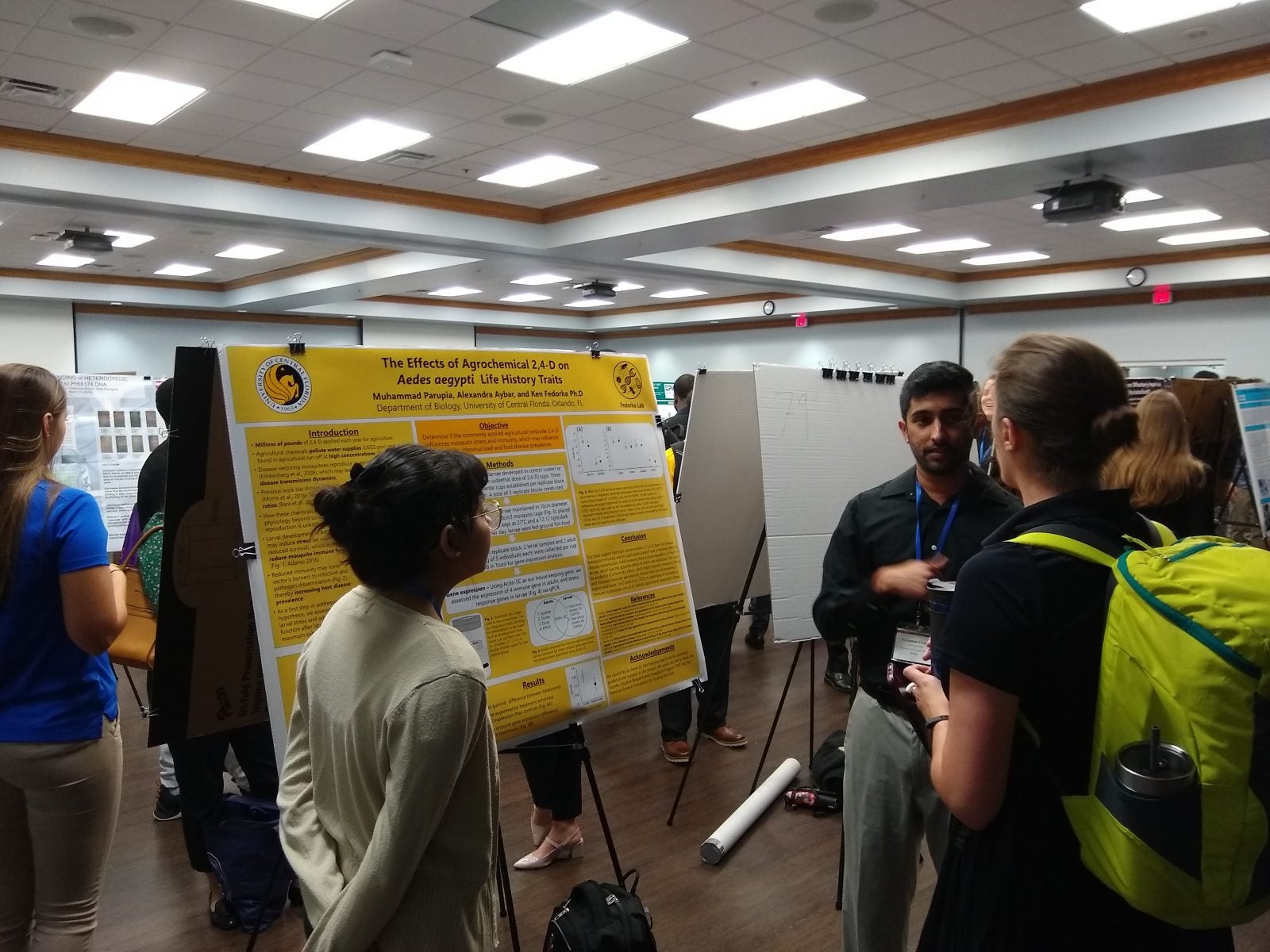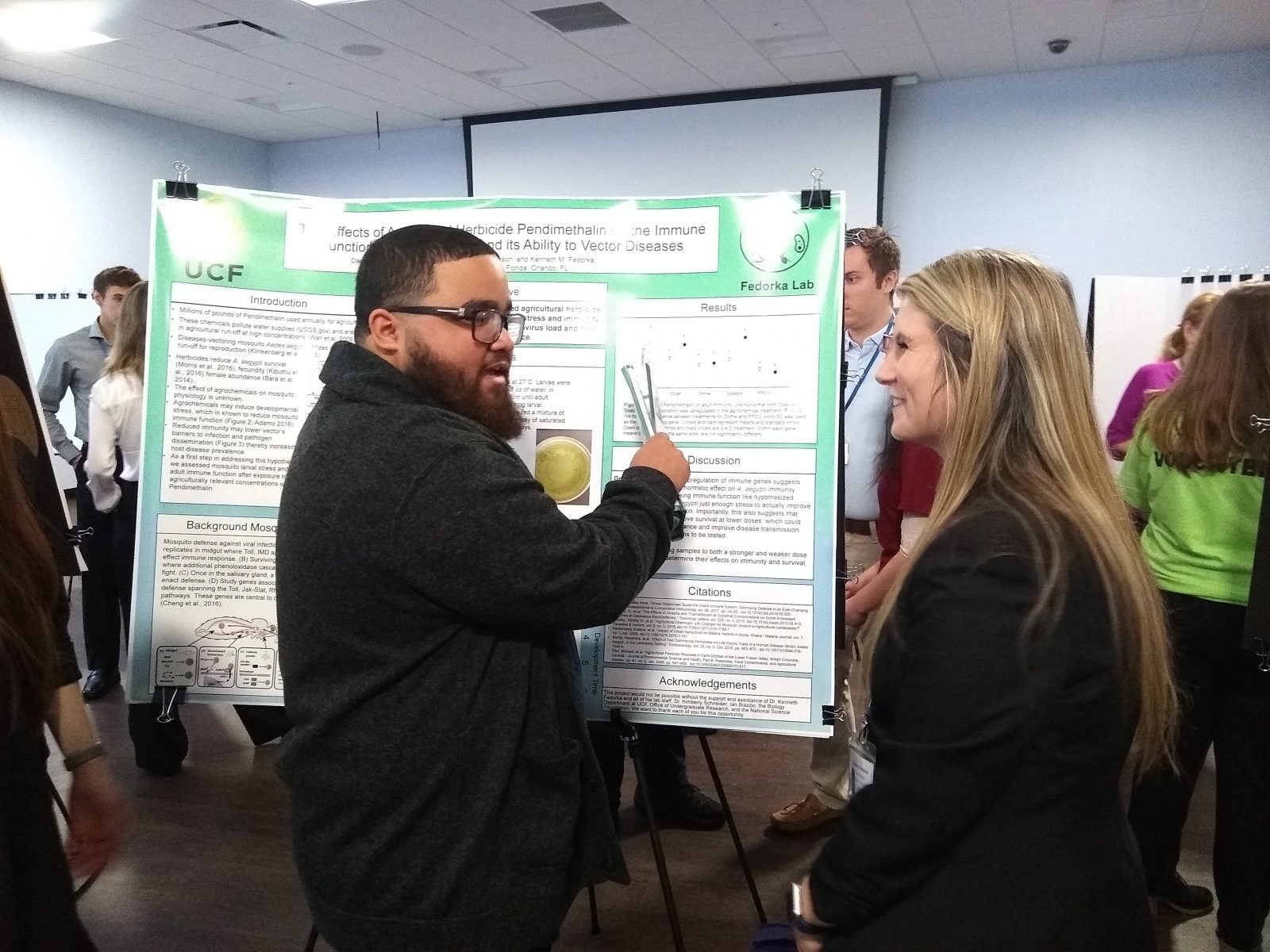
TRIP scholars receive an immersive research experience through participation in three sequential classes. Introduction to Research is a 1-credit foundational course that introduces students to the philosophy, ethics, and practice of science. Group Effort Applied Research (GEAR) is a 4-credit laboratory class that couples concept-driven lectures with authentic, team-oriented projects embedded within the research program of the faculty instructor. Directed Independent Research is a 1-credit class where students transform their efforts into a scientific manuscript and/or poster. The results of their work will then be presented at two in-state scientific conferences (see Professional Development).
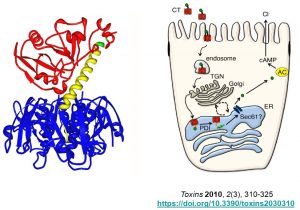
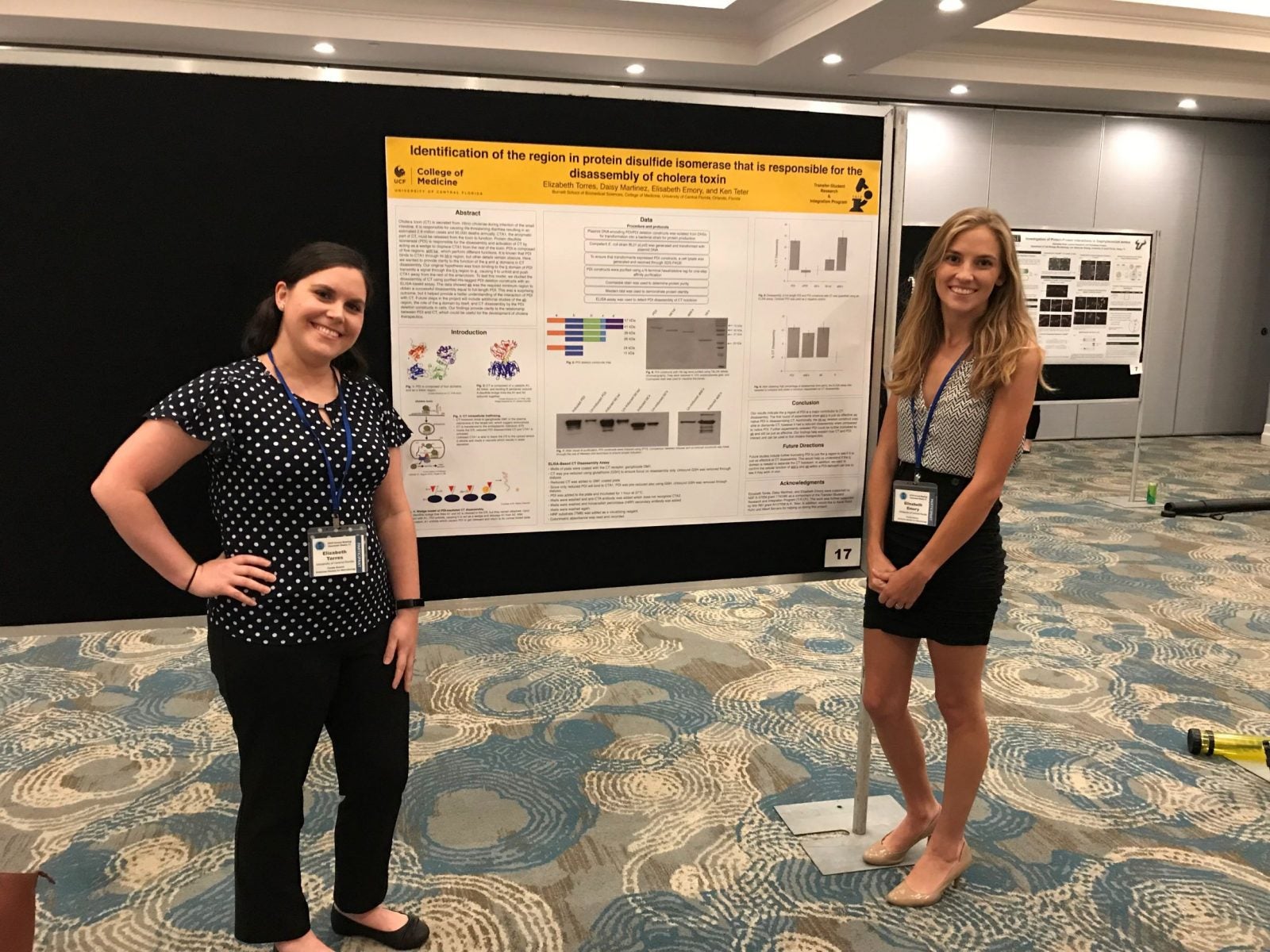
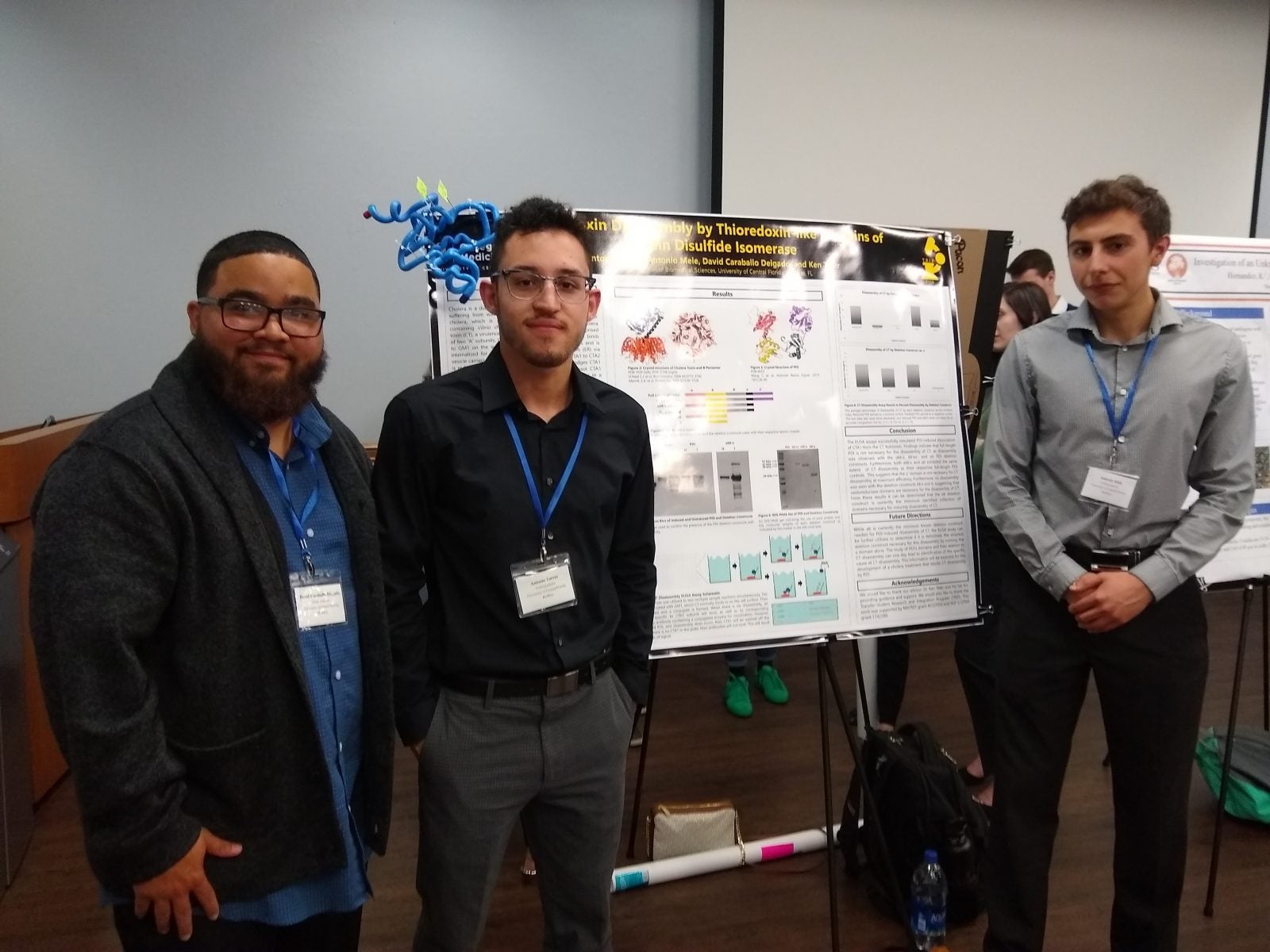
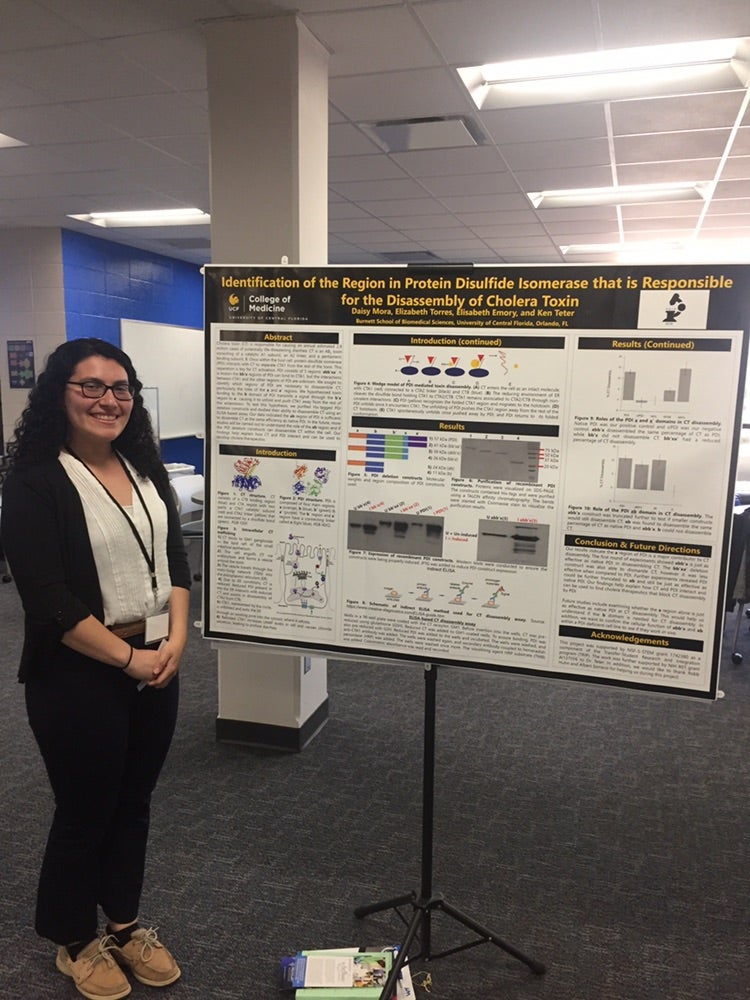
Biomedical Science and Biotechnology majors will work in the Teter Lab. GEAR projects in the Teter lab focus on the interactions between bacterial virulence factors and host proteins. A typical project involves purification of the virulence factor and/or host protein, followed by in vitro structure/function assays.
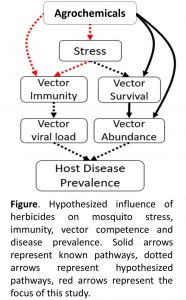
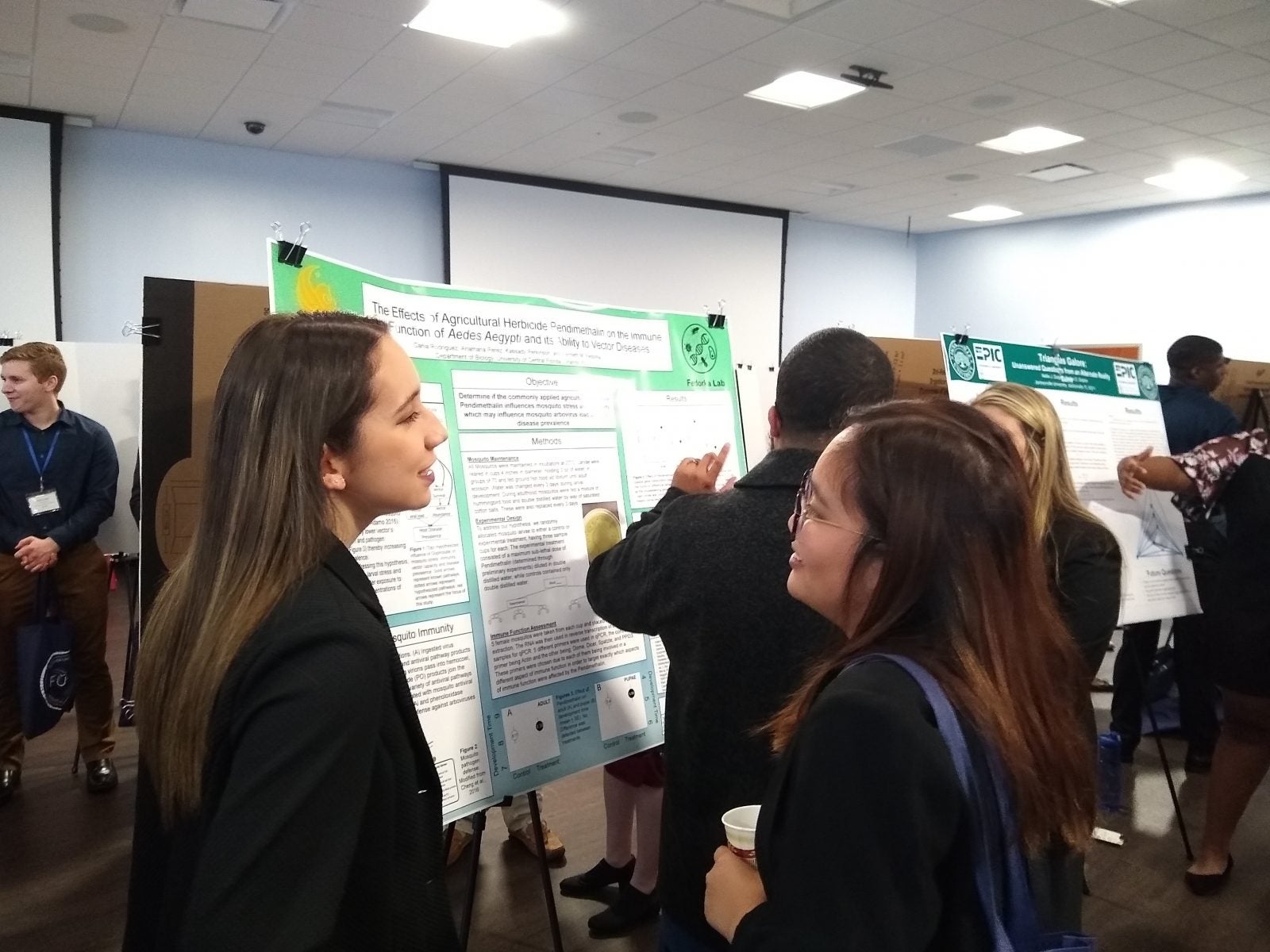
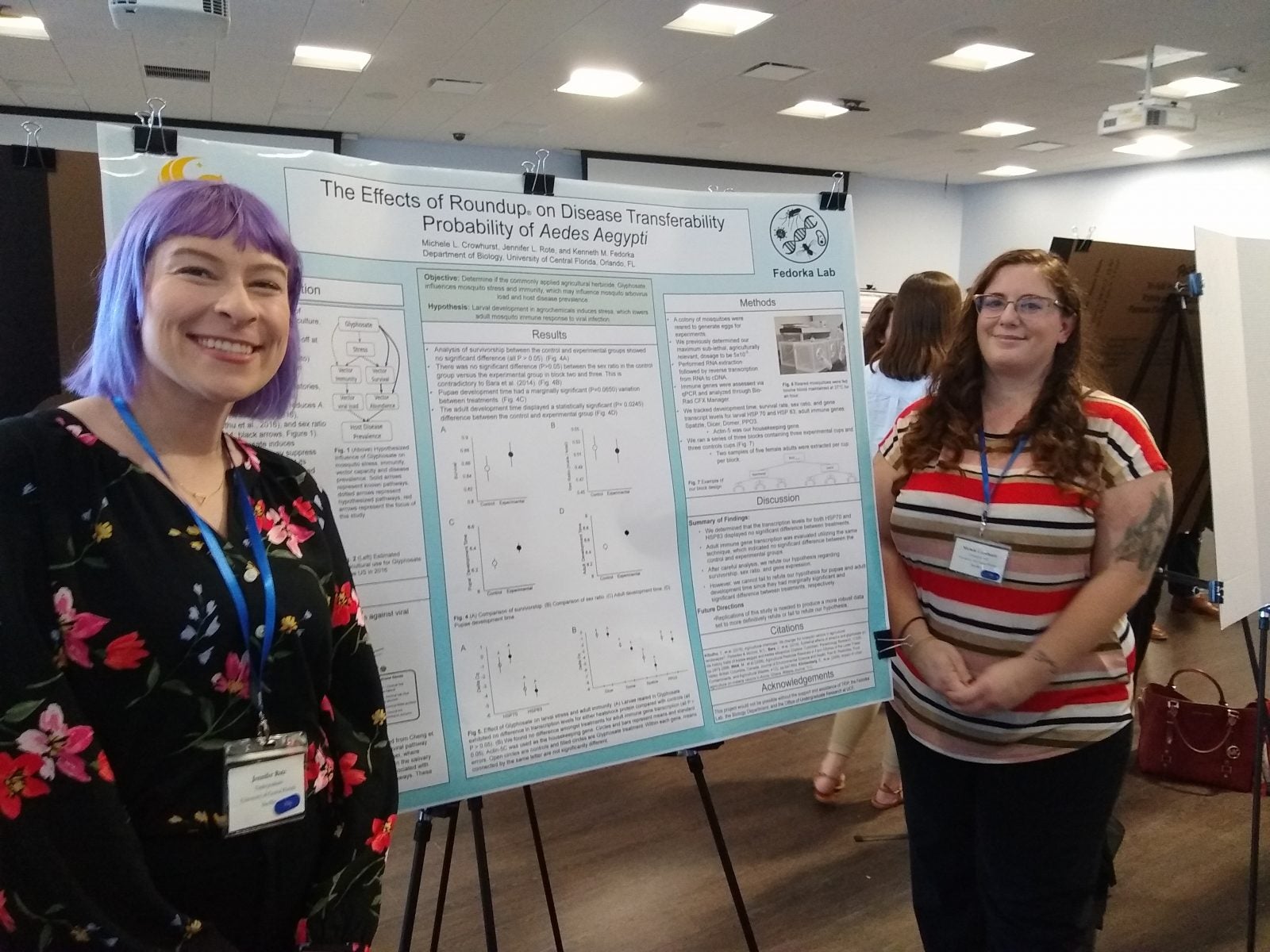
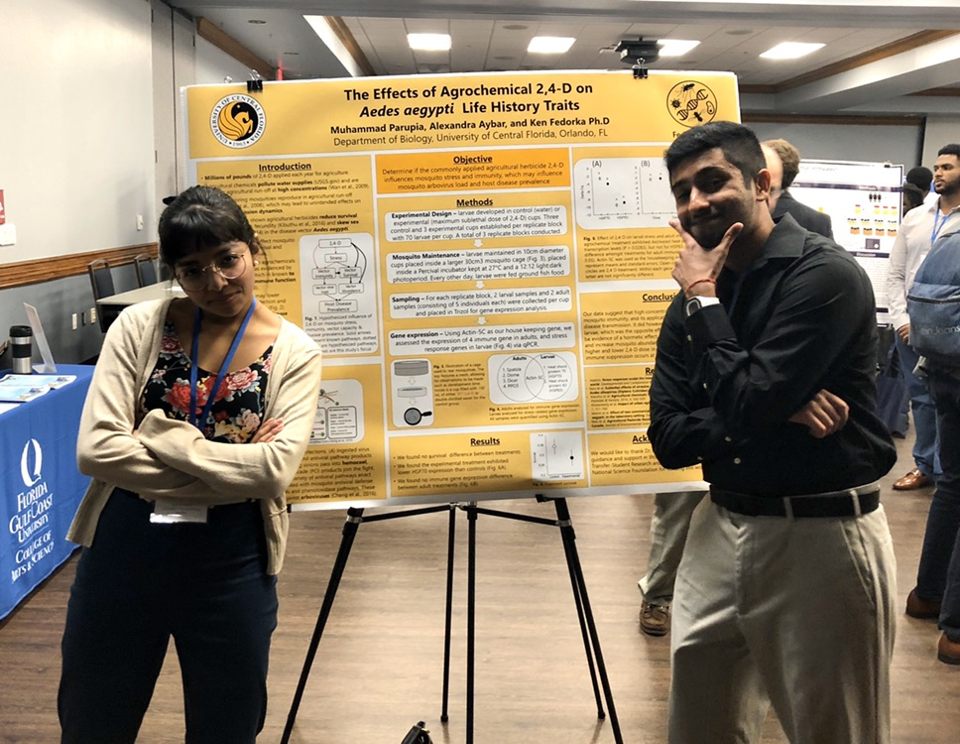
For Biology majors, work will be done in the Fedorka Lab. GEAR projects in the Fedorka lab focus on ecotoxicology. Currently we are examining how common agrochemicals (e.g. Round-Up) influence the capacity for mosquito disease vectors to transmit arbovirus to their human hosts.