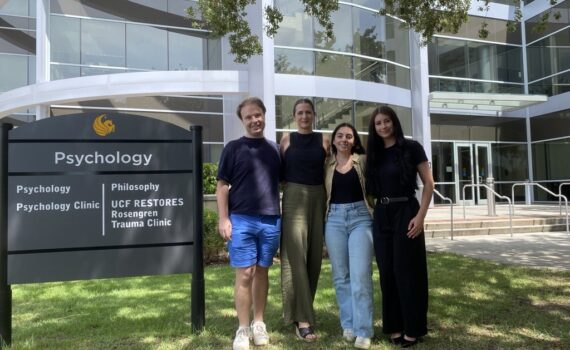
This past week was an exciting one for our lab: Ph.D. students Jordan Schotz and Maggie Doheny both successfully defended their dissertations. Jordan’s dissertation, entitled “Visual Cues of Human-Likeness, Not Salience, Impact Trust-Related Human-Computer Interaction”, focused on the complex, top-down social evaluations inherently tied to the perceived “humanness” of digital […]
Yearly Archives: 2026
9 posts

Over 100 researchers convened at Florida State University (FSU) on May 7 and 8 for the 2026 Florida Consortium on the Neurobiology of Cognition (FCNC). This year marked the tenth anniversary of the conference, which brings together researchers working in cognition from several universities and institutions across the state for […]

Caps off to our graduating ADDL RAs! Camila Coronado – Psychology (Neuroscience) B.S. Cami will be starting a role as a paralegal in a law firm this summer Andrea Del Aguila – Psychology B.S. Andrea will be starting the Industrial and Organizational Master’s program at UCF in the fall Macey […]
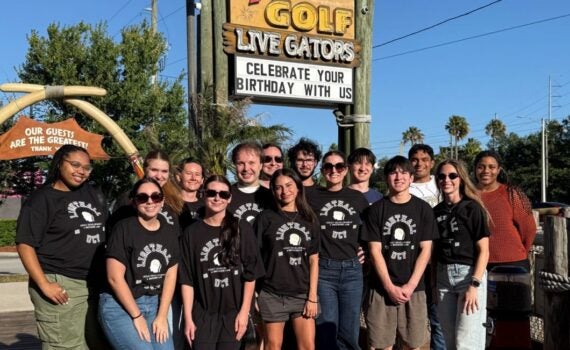
Our lab members wrapped up Spring 2026 at our end-of-semester social with a round of mini golf and dinner. Congrats everyone on all of your hard work this semester!
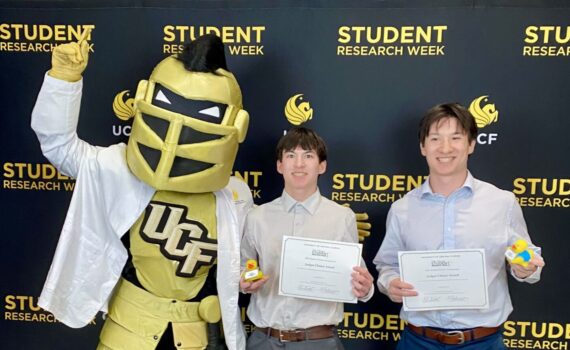
Congratulations to the 2026 Student Scholar Symposium (SSS) presenters! This year, eight ADDL members presented posters at SSS to communicate the full scope of our lab’s research to the UCF community. See this year’s posters below: Doheny M, Murphy M, Cespedes R, Thibideau R, Popp C, Lighthall, NR. Toxic by […]
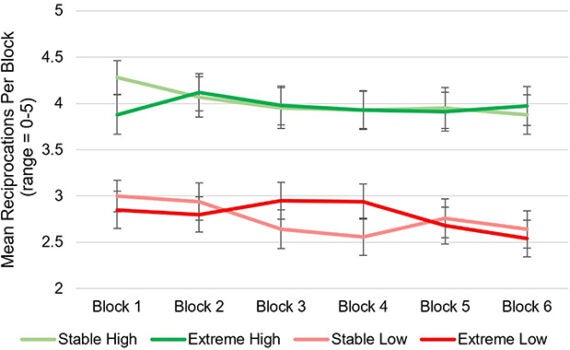
A new paper in Frontiers in Cognition by Maggie Doheny (ADDL PhD student), Dr. Nelson Roque (PSU), and Dr. Lighthall describes the complexities between trust, reciprocity, and perceptions of fairness in economic decision making. Using an adapted multi-round economic trust game, this study highlighted the effects of minimum and maximum […]
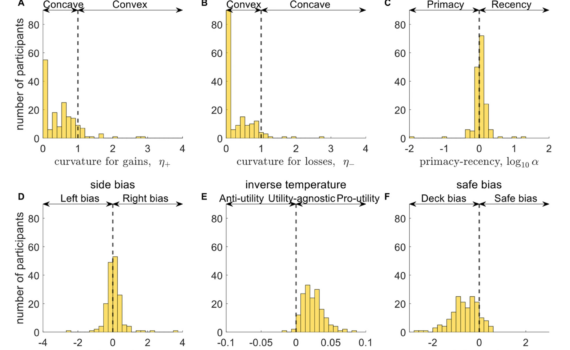
A new paper in Scientific Reports by ADDL postdoc Dr. Shensheng Wang, Dr. Bob Wilson (Georgia Tech), Dr. Natalie Ebner (UF), and Dr. Lighthall describes the cognitive biases that drive decision making using the novel Florida-And-Georgia (FLAG) gambling task. The team’s new FLAG task allows for modeling complex, experience-dependent decision […]

In December, Dr. Lighthall gave a talk on “Decision making in aging across in-person and digital contexts” at the Center for Vital Longevity (CVL) at UT Dallas. The CVL engages in a variety of research studies aimed at understanding how cognition and the brain develop and change throughout the lifespan. […]
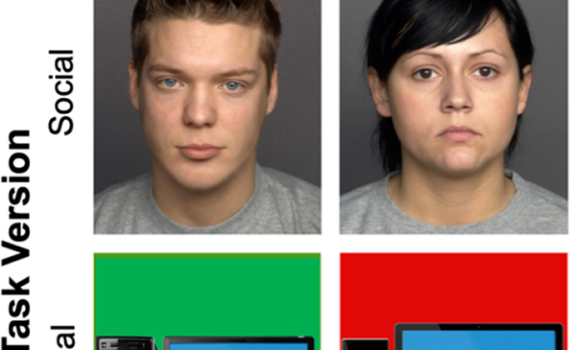
A new paper in Scientific Reports by Jordan Schotz (ADDL PhD student), Trenton Lam (former ADDL RA), Dr. Natalie Ebner (UF), and Dr. Lighthall describes the effects of visual cues of trustworthiness on trust-related decision-making in social versus nonsocial economic game contexts. Using the Multi-Round Trust Game, this study showed […]