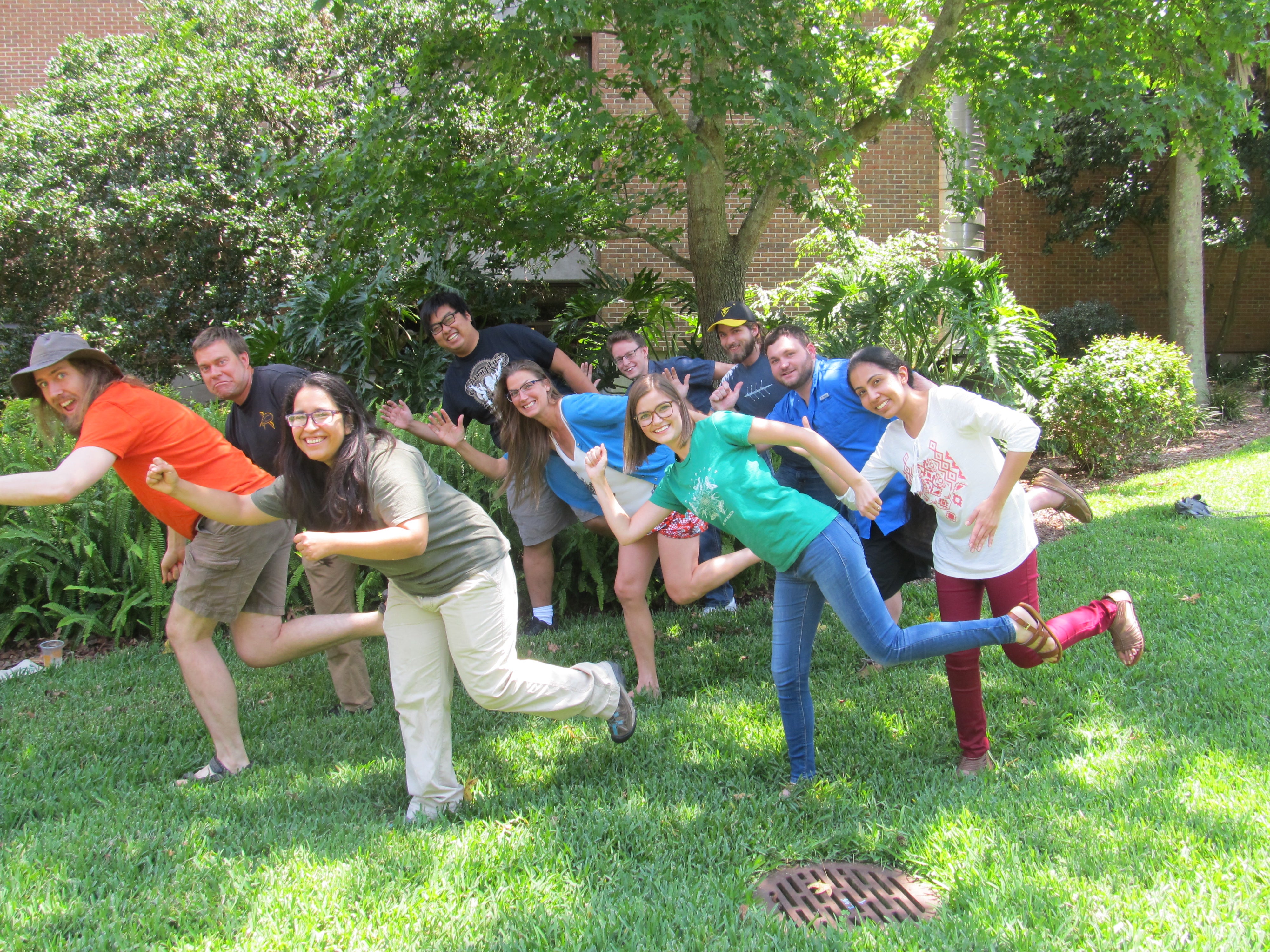
Barbara Sharanowski, PhD
barb.sharanowski[a]ucf.edu |
Associate Professor
Parasitic Hymenoptera are among the most fascinating of all organisms. My research focuses on understanding the phylogenetic and evolutionary history of Hymenoptera (Insecta), with a focus on parasitoids. Parasitoids are among the most speciose, morphologically diverse, and biologically complex of all insects, and therefore offer an idyllic system for examining the patterns and processes of evolutionary change. Robust, corroborated phylogenies are a necessary first step for comparative evolutionary research, allowing examinations into complex evolutionary patterns of both genotype and phenotype. My research extends from pure systematics, uncovering the phylogenetic history among Hymenopteran taxa at multiple taxonomic levels, to comparative evolutionary studies of complex genetic, morphological, and biological traits based on these phylogenies. I also combine my taxonomic research with applied studies on biocontrol, conservation, and integrated pest management to achieve sustainable approaches to insect pest control in agriculture and forestry. I have and am continuing to develop novel mobile software to incorporate citizen science into conservation and sustainable agriculture. Further, I am interested in using emerging technologies to develop innovative tools for identifying pests and beneficial insects and for incorporating art into education and citizen involvement in evolutionary biology. |
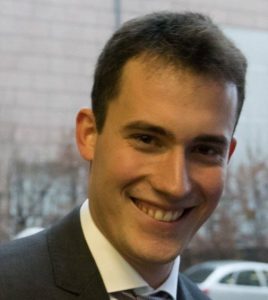
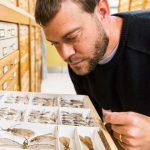
Davide Dal Pos
|
PhD Student, Morphology of Ichneumonidae, 2018 – present
I am interested in the mechanisms that have shaped varied structures in a diverse group of insects, the reasons why different taxa have evolved similar traits (convergent evolution), and the relation between external structures that are superficially similar and internal organization (skeleto-musculature). Specifically, I am trying to understand the evolutionary significance of the metasoma and the metapectal-propodeal complex of the parasitoid wasps family Ichneumonidae (Hymenoptera, Ichneumonoidea). Due to their high biodiversity, presence of morphological variability, great variation in life-history strategies (killing the host for survival), and a high rate of convergent phenotypes, ichneumonid wasps can function as a model organism to test for the presence of syndromes, which are suites of traits that can be adaptively or functionally linked to a specific ecological pressure. |
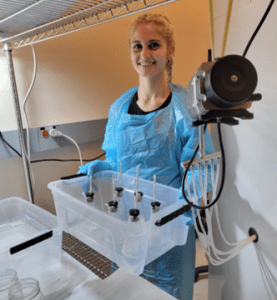
Rachel Behm
|
PhD Student, Impact of Endogenous Viruses on Host Genomes, 2020 – present |
Shawn Kelly, M. Sc
Sandor.Kelly[a]ucf.edu |
Collection Manager
He acquired an M.S. from the UCF Department of Biology, focusing on analyzing aquatic beetles that assemble each year in ranch wetlands in a phylogenetic community structure framework. Furthermore, he is a local expert on Central Florida insects, especially Coleoptera (beetles). Visit the museum to learn about his work. |
Victoria Heilman
|
Lab Manager, Undergraduate Student, 2019-present |
Jamie Ling
|
Undergraduate Student, 2021- present |
Max Gosselin
|
Undergraduate Student, 2021- present |
Interested in joining the lab?
Check out our lab alumni