
Wetlands and coastal ecosystems are among the planet’s most effective natural carbon sinks. These ecosystems help mitigate climate change by storing large quantities of carbon in their soils. Our research asks a critical question: How vulnerable is this stored carbon when environmental conditions such as temperature, vegetation, or hydrology change?
Historically, scientists have explained long-term carbon storage using two ideas: (1) waterlogged, oxygen-poor conditions that slow decomposition and (2) the chemical composition of organic matter. Together, these factors help determine how long carbon remains stored in wetland soils.
The ABL is helping advance a newer understanding of carbon storage through a stabilization mechanism known as mineral-associated organic matter (MAOM). Research suggests that carbon bound to soil minerals is better protected from decomposition and may remain stored even when environmental conditions change.
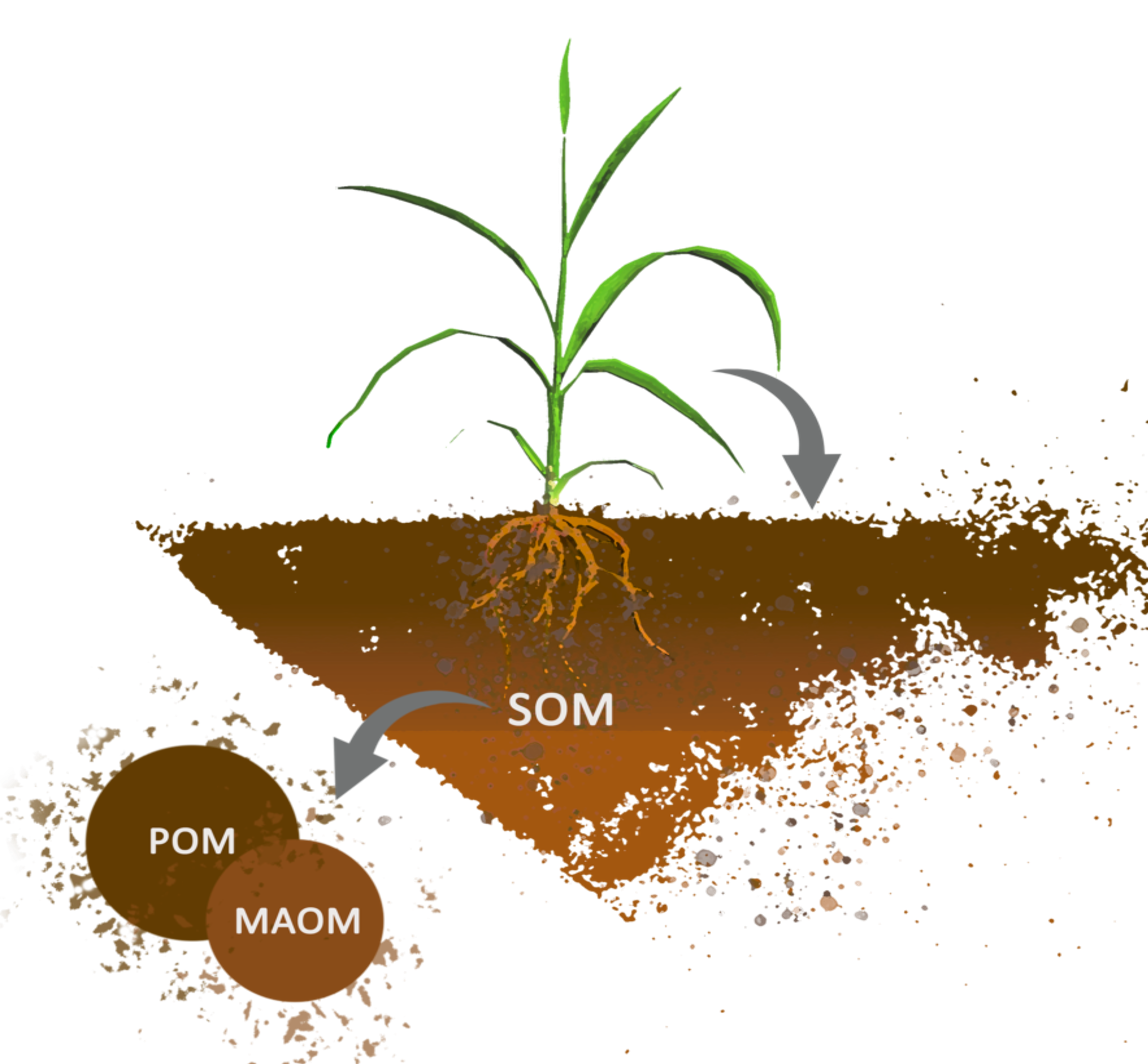
Projects on soil carbon stability:
1. Evaluating Mineral Associated Blue Carbon Accumulation in Coastal Wetlands (2021-2026)
Funded by: US Army Corps of Engineers, Research and Development Center
-

- Collecting soil cores in a restored marsh in Chesapeak Bay, MD
-

- Dredged sediment from a restored site
-

- Collecting soil cores in a natural marsh Apalachicola, FL
This project investigates whether adding dredged sediment to coastal wetlands can enhance long-term soil carbon stability. We quantified MAOM-carbon across five coastal regions of the United States and compared carbon storage dynamics in natural and restored wetlands
-
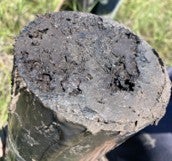
- 5 Years Restored
-
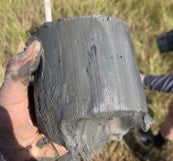
- 13 Years Restored
-
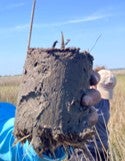
- Natural Soil
Soils from 3 coastal wetland study sites in Biloxi Bay, MS


2. Utilizing Fine Sediment Amendment to Enhance the Health and Resilience of Cultivated Histosols (2023-2027)
Funded by: US Department of Agriculture, National Institute of Food and Agriculture
In many regions of the world, nutrient-rich organic wetland soils are drained and used as prime agricultural land. This was the case in the Everglades Agricultural Area (EAA), located in south central Florida. More than a century of drainage has resulted in over six feet of soil loss through organic matter decomposition, significantly reducing soil elevation across the region.

ABL students standing next to the famous soil subsidence post in Belle Glade, FL
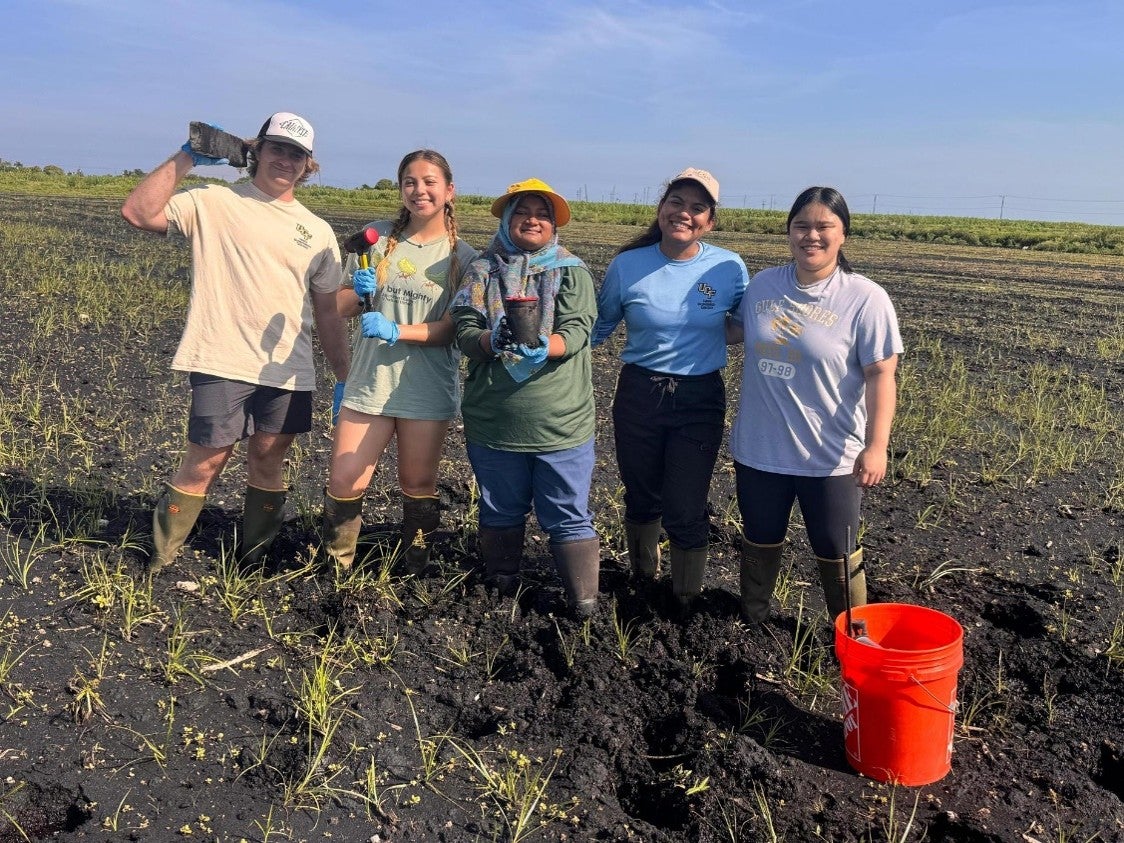
Student researchers collecting soil samples from the EAA
This project quantifies the amount of stable organic matter remaining in EAA soils and evaluates innovative soil amendments designed to promote MAOM formation. Through laboratory and field experiments, we aim to identify strategies that improve soil resilience and reduce future soil loss.
-

- Dr. Chambers and Mumtahina Riza visiting the sugar cane fields
-
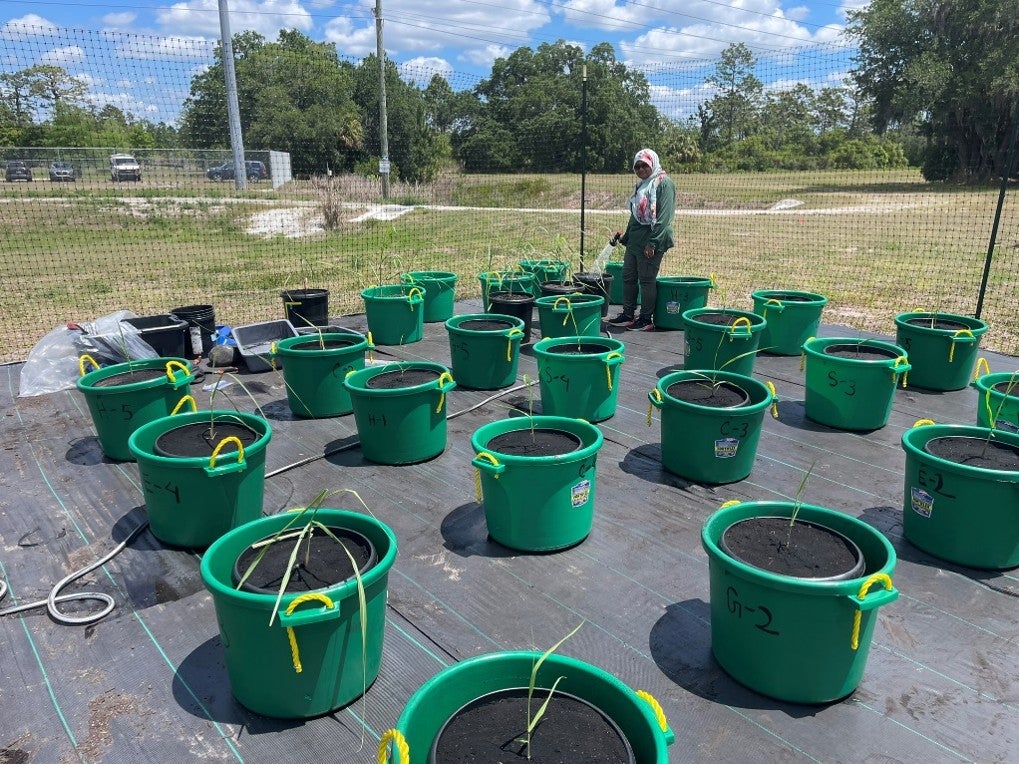
- Riza watering our newly planted experimental sugar cane at the UCF Biology Research Field
-
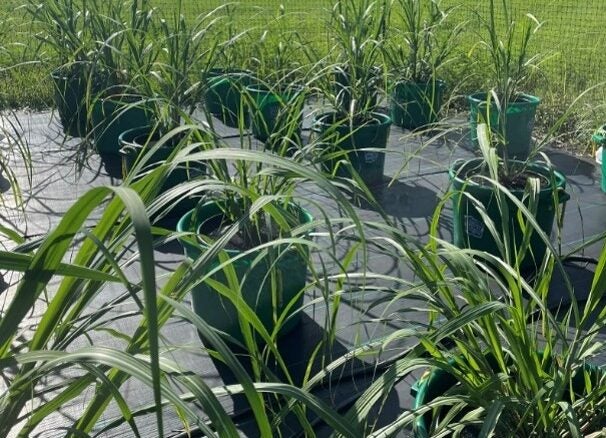
- Sugar cane growth after 3 months