
Psychology Professor Helps Malawi Hospitals Build Sustainable Healthcare Leadership
Through a global healthcare partnership, a UCF researcher trained district hospital leaders in Malawi to improve mental health screening systems and strengthen long-term patient care practices.
Written by: Emily Dougherty | Published: July 15, 2026
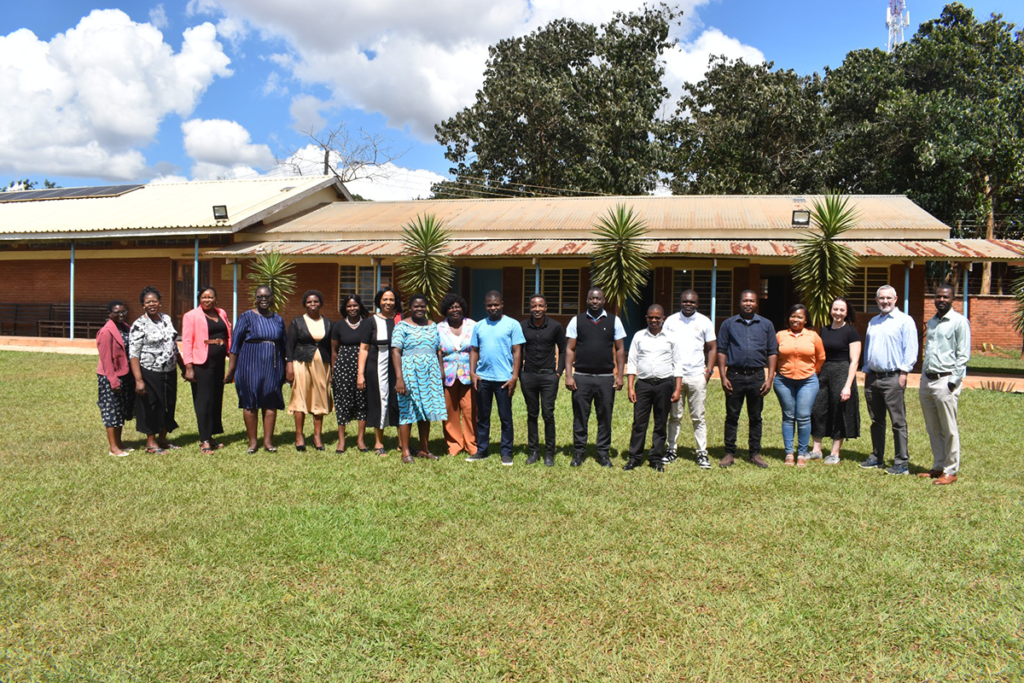
For Professor of Psychology Mark Ehrhart, improving healthcare systems starts with understanding people.
As an industrial-organizational psychologist, Ehrhart studies how leadership, workplace culture and organizational systems influence whether evidence-based practices are successfully implemented. That expertise brought him to Malawi, where he helped lead a yearlong initiative to strengthen leadership in district hospitals.
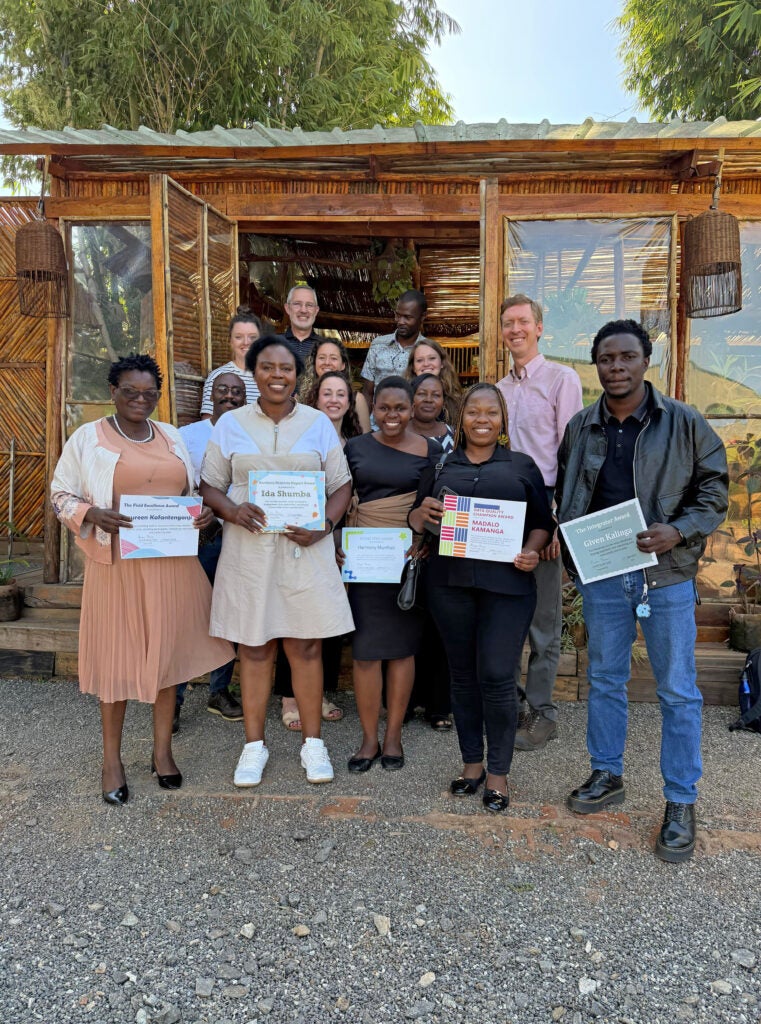
The ALIGN project began after researchers at University of North Carolina (UNC) at Chapel Hill identified leadership as one of the biggest barriers to implementing mental health screening programs in Malawi’s healthcare system. Although clinics were working to integrate depression and anxiety screenings into routine medical care, many lacked the organizational systems needed to support those efforts.
“People don’t pay a lot of attention to the context in which implementation is happening,” Ehrhart says. “You need leaders to come in to help solve those problems and learn how to keep those new practices in place.”
In partnership with researchers at UNC-Chapel Hill, Ehrhart and his colleagues at the University of California, San Diego adapted their leadership intervention called Leadership and Organizational Change for Implementation (LOCI) for Malawi’s healthcare system.
Between April 2025 and April 2026, the initiative trained more than 40 leaders from hospitals and clinics across six districts. The program focused on strengthening communication, accountability, organizational systems and support for mental health screening efforts.
The intervention included leadership workshops, survey feedback, mentoring and collaborative goal-setting. Leaders reviewed feedback from workers and supervisors about how implementation efforts were being perceived within their organizations and used that information to develop their own improvement plans.
“We provide them with a framework to understand their workplace and the perspective of their staff,” Ehrhart says. “Then we leave it to them and ask, ‘What should your goals be?’”
That collaborative approach encouraged hospital leaders to develop practical solutions tailored to their own hospitals and clinics. He says some leaders created new systems for monitoring screenings and coordinating referrals, while others incorporated implementation discussions into routine meetings and supervisory practices.
Ehrhart says the project’s mentoring component became especially valuable. Experienced Malawian healthcare professionals met regularly with leaders throughout the year, helping them navigate challenges and adjust goals over time.
“It’s not just going through a training and moving on,” Ehrhart says. “There’s follow-up, there’s coaching and they’re constantly practicing what they learned.”
The team returned to Malawi in April 2026 for a graduation ceremony recognizing the leaders’ efforts and the completion of the first year of the program. Ehrhart described the experience as both meaningful and humbling.
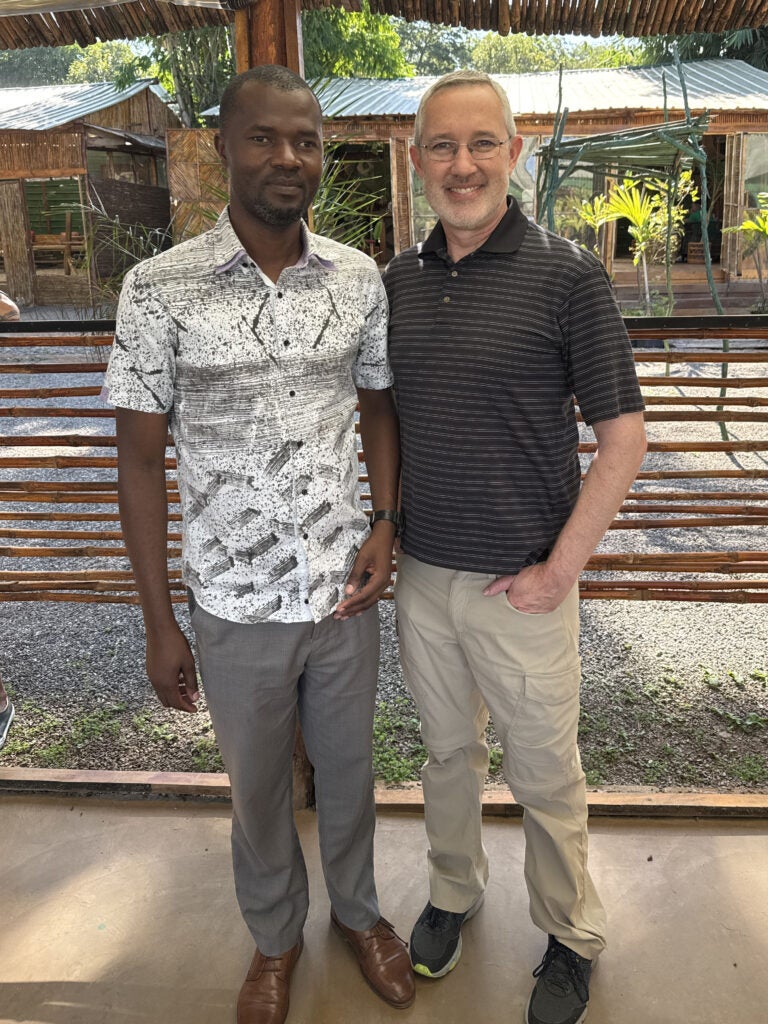
“The word that comes to mind the most is gratitude,” he says. “They don’t have the same kind of leadership development opportunities that we have here in the US, which many take for granted.”
One moment that stood out to him was during the ceremony, when a deputy director from the Malawi Ministry of Health spoke publicly about the impact the program had on the hospitals and the leaders in those hospitals.
“It was one of those moments where I realized we really made a difference,” Ehrhart says.
Beyond healthcare implementation, Ehrhart believes the project demonstrates the important role psychology can play in addressing global challenges.
“When you want to implement practices that you know can be effective and good for clients, you do need to change people’s behavior,” he says. “Understanding the psychology of change and implementation is critical.”
As the ALIGN research team continues analyzing data from the project, Ehrhart hopes the leadership systems developed through the initiative will create lasting improvements throughout Malawi’s healthcare system for years to come.