
Department of Anthropology Celebrates 20 Years of Growth, Discovery and Student Success
Faculty, staff, students and alumni gathered to celebrate two decades of the department’s history, reflect on its accomplishments and look ahead to new opportunities in anthropological research and education.
Written by: Emily Dougherty | Published: October 30, 2026
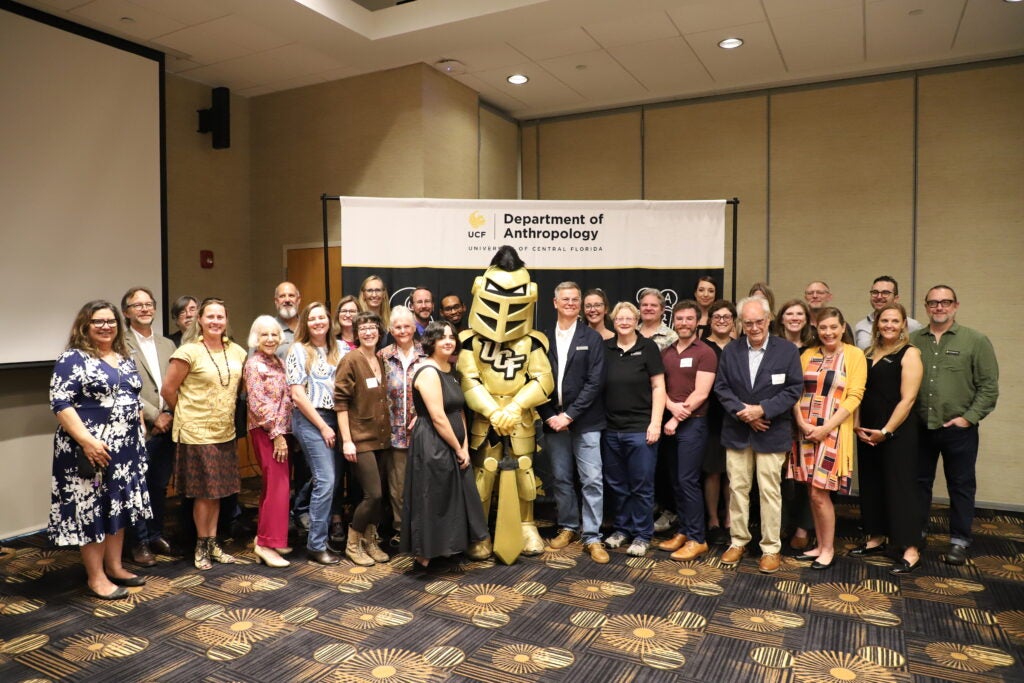
The University of Central Florida’s Department of Anthropology celebrated 20 years of academic growth, research and student success with a day of activities bringing together the people who have shaped the department and those continuing its work today.
Held Oct. 16, the celebration featured a morning open house and an evening reception, giving faculty, staff, students, alumni and friends opportunities to reconnect, share their work and reflect on the department’s history since becoming an independent department within UCF’s College of Sciences in 2006.
“Seeing some former faculty and former students who chose to celebrate this auspicious occasion with us was, at a personal level, really inspiring,” Department Chair Ty Matejowsky says.
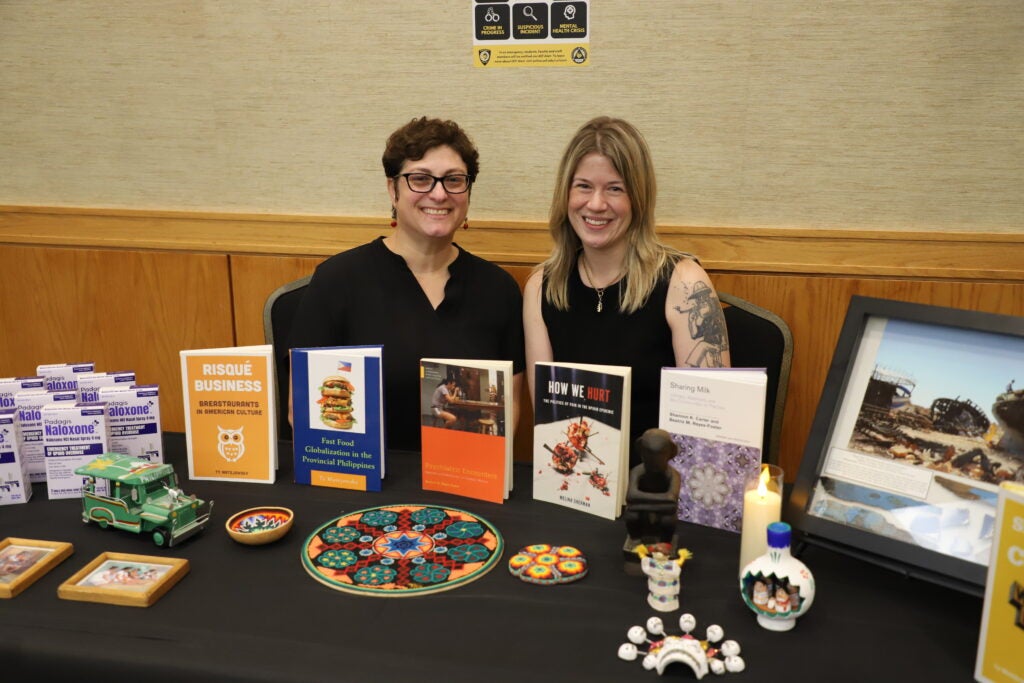
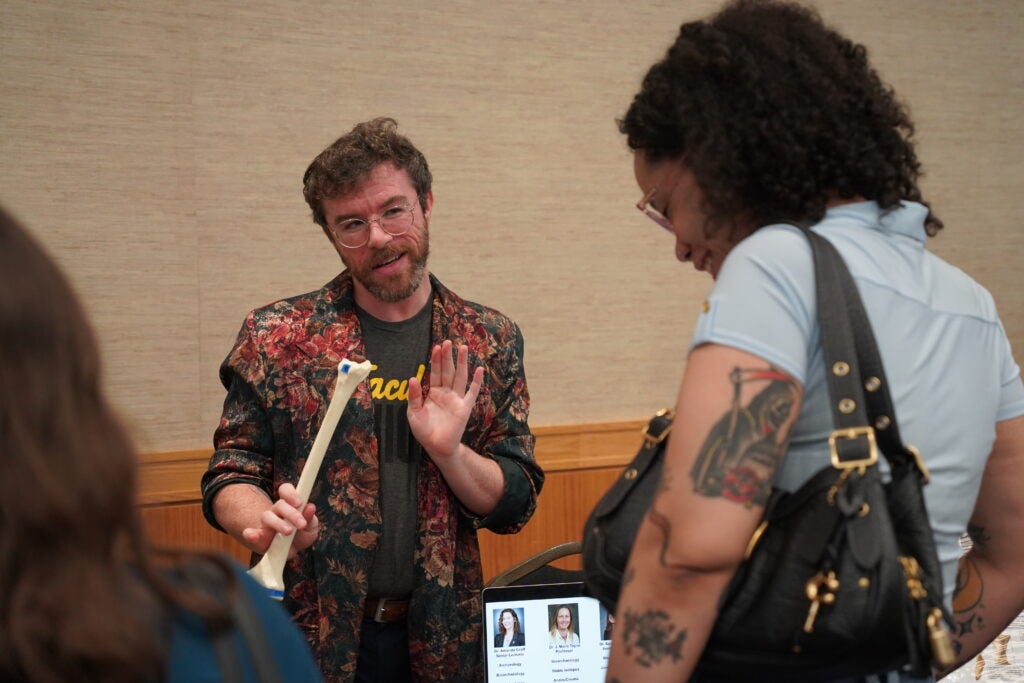
The morning open house featured researchers sharing their work at informational tables, sparking conversations among attendees about anthropology and the department’s research.
Displays highlighted the breadth of the department’s work, including archaeological research exploring the past through material remains and artifacts, as well as biological anthropology research examining human evolution and skeletal remains.
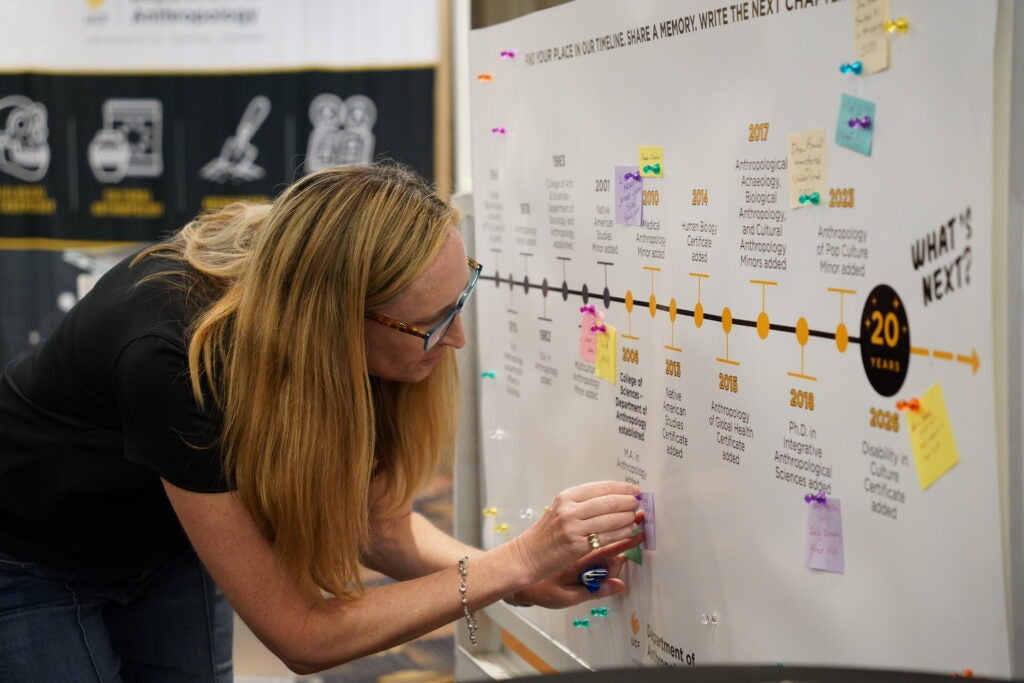
One interactive feature invited guests to explore a timeline of the department’s history and contribute sticky notes with their own written reflections. The activity gave attendees an opportunity to add personal memories to the broader story of the department’s development and envision the future.
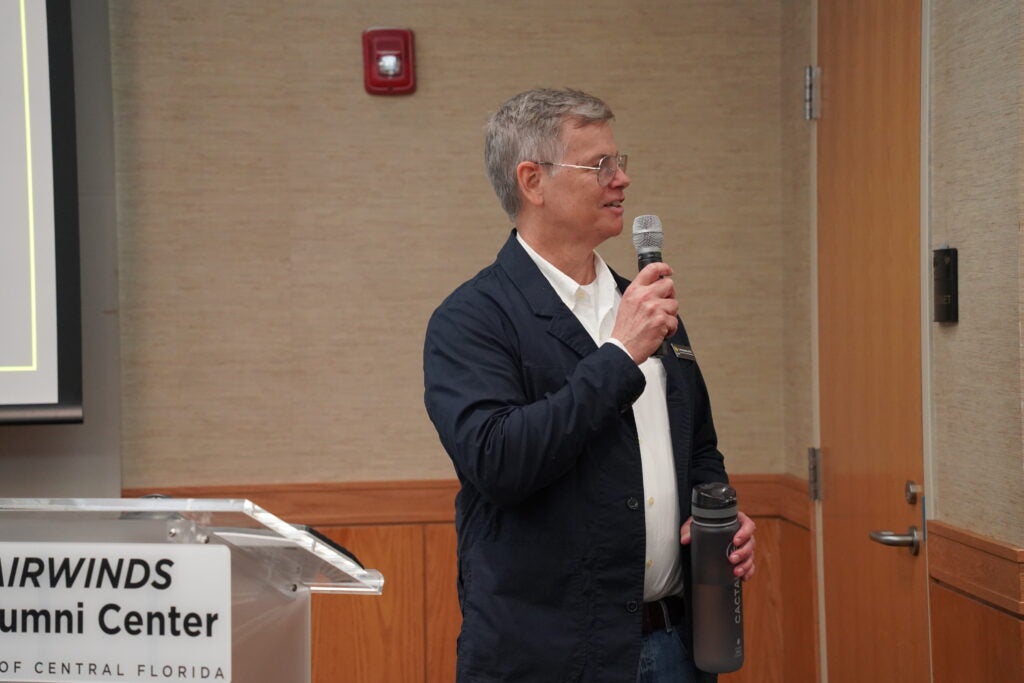
The festivities continued that evening with a reception celebrating the milestone. Attendees enjoyed hors d’oeuvres, heard remarks from department and college leadership and learned about opportunities to connect with members of the department’s community.
For Matejowsky, the anniversary offered a chance to appreciate not only how far the department has come, but also the people who helped make its progress possible.
“It was very gratifying to see, to take a moment and to look back on two decades of existence, growth and success,” Matejowsky says.
Among the attendees was Professor Emerita Dr. Alynn Stearman, one of the early anthropologists at UCF who played an important role in establishing the program. Her presence made the occasion especially meaningful for Matejowsky, connecting the department’s beginnings with the community it has built over the past two decades.
“Without her, the department wouldn’t be here,” Matejowsky says.
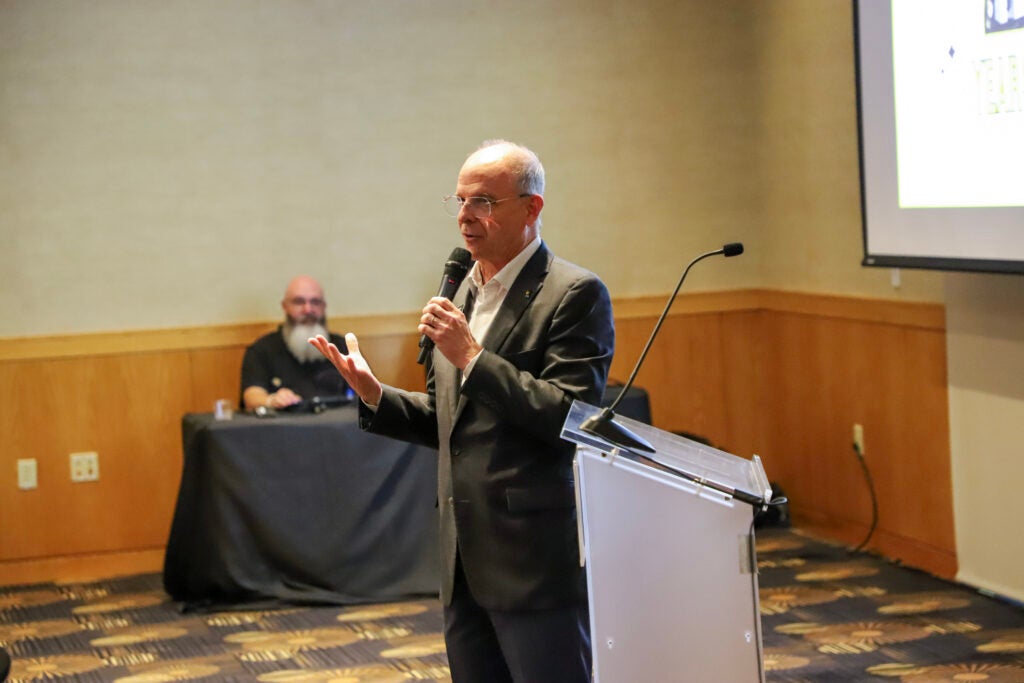
College of Sciences Dean Josh Colwell also addressed attendees during the reception, recognizing the department’s accomplishments and milestones and looking ahead to its continued contributions to the field of anthropology.
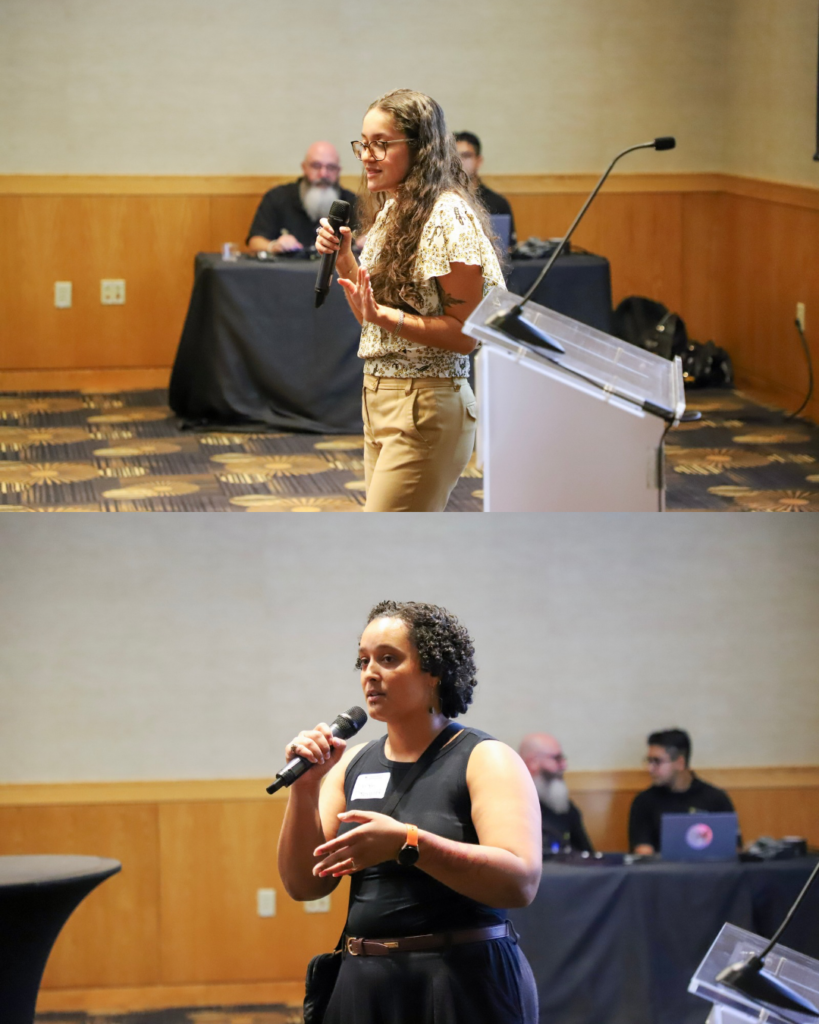
To close the event’s welcome, two distinguished department alumni, Heloisa De Assis Goncalves and Sarah Davenport, reflected on their experiences as students and shared how they education at UCF helped shape their career paths and professional success.
Expanding Opportunities in Anthropology
Since becoming an independent department, Anthropology has expanded its academic offerings and created new opportunities for students to explore the discipline.
Matejowsky identifies the establishment of the master’s program and the subsequent launch of the Doctoral Program in Integrative Anthropological Sciences as significant milestones. He says the department’s fully online bachelor’s degree has also expanded access to anthropology education, reaching students who may be unable to attend classes on campus.
The department has continued to develop specialized academic pathways, including its pop culture certificate and specializations in medical anthropology and geographic information systems (GIS) methodologies. These offerings allow students to explore different dimensions of anthropology while developing knowledge and skills relevant to their interests.
Hands-on learning remains another important part of the department’s work. Through the Cape Canaveral Archaeological Mitigation Project, (CCAMP), students can gain practical archaeological experience while contributing to work beyond the university.
For Matejowsky, these programs represent the department’s ability to continue developing its offerings while making the most of its resources.
The department’s growth is also reflected in its graduates. Matejowsky says seeing students succeed in academic and professional careers has been especially rewarding, including the graduation of the department’s first doctoral cohort and the employment successes that follow many of its graduates.
Looking Toward the Next 20 Years
While the anniversary offered an opportunity to recognize the department’s accomplishments, Matejowsky says its work is far from finished.
He hopes the department will continue pursuing new research opportunities, exploring new directions in scholarships and finding ways to strengthen its service to the broader community.
The department’s next chapter, he says, will depend on remaining engaged, ambitious and open to new possibilities.
“We want to stay relevant, stay hungry and stay focused on achieving more,” Matejowsky says.
After 20 years of growth, the anniversary celebration honored the people and achievements behind the department’s progress while looking ahead to the discoveries, opportunities and student successes still to come.