Our Mission
The Clinical Psychology Ph.D. Program at the University of Central Florida educates graduate students “to generate and integrate scientific and professional knowledge, attitudes, and skills to further psychological science, professional practice, and human welfare. Graduates are capable of functioning as a scientist and a practitioner, and may function as either or both, consistent with the highest standards in psychology” (National Conference on the Education and Training of Scientist-Practitioners for the Professional Practice of Psychology, 1990). The program is a generalist program with a strong emphasis on assessment and treatment in adults. We do not have any formal tracks within the program (e.g., child, neuropsychology). Our program welcomes the inclusion of students, faculty, and staff from different backgrounds (e.g., racial, ethnic, sexual orientation). In addition, we infuse the latest empirical knowledge about individual differences in demographics and life experiences into our curriculum and clinical/research experiences. Consistent with our departmental mission, we aspire to provide high quality education to include “the dissemination of state-of-the-field theoretical and empirical information, training in the methodological, statistical, and technical skills necessary to conduct psychological research, and practice in the application of psychological knowledge to real-life problems” (National Conference on the Education and Training of Scientist-Practitioners for the Professional Practice of Psychology, 1990). Our program aspires to achieve excellence in research and clinical training and to contribute to and perpetuate science and practice in the field of Clinical Psychology through faculty and graduate student involvement in scholarly and professional activities. We are active contributors to research in Clinical Psychology. We advocate for initiatives that improve the profession of psychology and the welfare of individuals, families, and groups. We also are active members of professional organizations.
Degree Requirements AND PROGRAM INFORMATION
The Clinical Psychology Ph.D. Program is designed to be completed in six years of in-person full-time study (with summer enrollment expected), regardless of whether the student enters with a Bachelor’s or Master’s degree. Students admitted to the program receive a full tuition waiver, a stipend, and health insurance, but are still responsible for paying student fees. The program includes a one-year predoctoral internship to be completed off-campus at an APA accredited internship site. There are a total of 90 semester hours of courses, practica, and research requirements as detailed in our handbook (linked below). A Master’s Thesis and a Dissertation, which represent significant contributions to the field, are both required. Successful completion of the Qualifying and Comprehensive Examination is required prior to initiation of dissertation research.
View CatalogProgram Admissions
The next application deadline is December 1st, 2026 for a start date in August 2027. General GRE scores are required for consideration.
The following faculty members are recruiting a new student for the 2026-2027 application round:
Dr. Jacqueline Woerner, Dr. Amie Newins, Dr. Jeffrey Bedwell, Dr. Robert Dvorak, and Dr. Lidia Meshesha.
The application form will ask you to rank up to three choices from these five faculty members as your desired mentor/laboratory. Your essay should clarify why you want to work with each faculty member you choose on application form.
The UCF Psychology Department coordinates the admission process with the UCF Graduate Studies office. In order to enroll in graduate classes, students must have obtained a baccalaureate or higher degree, prior to the start of the term for which the student is admitted, from a regionally accredited institution or from a recognized foreign institution. Students without a baccalaureate or higher degree from an accredited institution (or equivalent) are not admitted to graduate degree programs, graduate certificate programs, or graduate nondegree status at UCF. If the baccalaureate (or higher) degree does not include a major/focus in Psychology, students must have completed at least 18 credit hours of Psychology courses at the undergraduate level or above. These courses must include Intro/General Psychology, Research Methods/Statistics, Abnormal Psychology/Psychopathology, and Personality Theory/Psychology. Although not required, the following courses are strongly encouraged: Social Psychology, Cognitive Psychology, Biological/Physiological Psychology, and Developmental Psychology.
Note for all applicants: Our program requires that History and Systems of Psychology is completed at the undergraduate level with a grade of at least a “B.” This can either be completed prior to starting our program or as an undergraduate course during our program.
The components of the application are as follows:
- Educational history/grades
- Letters of recommendation: Three letters written by people who can speak to your work ethic, range of professional interests, and what it is like to work with you. Some of these are ideally written by individuals who have supervised your research or clinical work.
- Personal essay: An essay about your research and clinical interests, which includes names of one or two specific faculty members you are interested in working with on your research while enrolled in our program and why that is a good fit for your background and future career goals. There are no formatting or length requirements for this essay.
- Content training: Information about career goals and research experiences should be highlighted on the CV and personal statement and are often described in an applicant’s letters of recommendation.
Note: The program is requiring GRE scores for the upcoming admissions cycle.
An applicant’s fit with our program goals and the research conducted by a program faculty member who is accepting students for that application round are a critical component of the application review. To be considered for admission, the program requires at least one year of hands-on research experience in an area directly relevant to psychology (typically as a research assistant/coordinator and/or thesis project), preferably in a topic area or research methodology which overlaps one of our faculty members who you would like to work with on research. In your essay, you need to highlight that experience in relation to your plan for research topics/methodology in our program, including how the faculty research supervisor(s) you list fit with that plan.
Apply Now Student Admissions, Outcomes, and Other DataNote Regarding National Program Rankings:
Applicants are encouraged to carefully review the methodology used by any national ranking system. Many rely on subjective estimation of the reputation of programs by individuals completing the survey, with no specific metrics or objective data used in the rankings. The Council of University Directors of Clinical Psychology (CUDCP), of which we are a member, passed a resolution encouraging programs not to participate in the survey. Given these concerns, we strongly encourage applicants to ignore national rankings when considering the quality and fit of a doctoral program in Clinical Psychology.
Mailing Address
UCF College of Graduate Studies
Millican Hall 230
PO Box 160112
Orlando, FL 32816-0112
Institution Codes
GRE: 5233
GMAT: RZT-HT-58
TOEFL: 5233
ETS PPI: 5233
For more information on the application process, please contact:
Dakota Fisher
Graduate Admissions Specialist I
Clinical Psychology PhD Program
dakota.fisher@ucf.edu
407-823-2157; Office: PSY 301L
Jeffrey Bedwell, PhD
Professor, Department of Psychology
Director, Clinical Psychology Ph.D. Program
Director of Clinical Training
jeffrey.bedwell@ucf.edu
Handbook
Our Program Handbook contains a wealth of information about our program, covering topics such as:
- The Program Overview
- The Scientist-Practitioner Model
- Training Emphasis
- Program Goals
- Curriculum Goals
- Expectations of Doctoral Students
- Development of Competencies
- Practicum Training
- Internships
Accreditation
The Clinical Psychology Ph.D. Program in the Department of Psychology received initial accreditation by the American Psychological Association (APA) in 2003, for a period of five years. The program then was re-accredited in 2008, 2013, and 2024, and remains accredited with the next re-accreditation process scheduled for 2033.
For information about our accreditation status, you can contact the Commission on Accreditation of the American Psychological Association.
Contact Information
Commission on Accreditation
Office of Program Consultation and Accreditation
750 First Street, NE
Washington, DC 20002-4242
Phone: 202-336-5979
TDD/TTY: 202-336-6123
Fax: 202-336-5978
apaaccred@apa.org
Licensing Disclosure
For information regarding how this program meets the educational requirements to obtain a license as a Psychologist, please see: https://apq.ucf.edu/document/clinicalpsychphd-disclosure/.
One aspect of obtaining a license as a Psychologist in the United States is to achieve a passing score on the national Examination for Professional Practice in Psychology (EPPP), which is typically taken after obtaining a PhD in the field. According to the most recent report from the Association of State and Provincial Psychology Boards, our program’s pass rate across our first-time test takers (alumni) between Jan 2021 to Dec 2025 was 94.12% (n = 34 alumni).
Training
The Clinical Psychology Ph.D. Faculty adhere to the belief that research activities are an integral part of being a Clinical Psychologist. Consistent with this belief, the majority of our graduates seek academic- and research-oriented positions after they complete our program. Even for those who take other types of positions and who work in more applied settings, however, Clinical Psychologists must be able to locate and evaluate research literature relevant to evidence-based interventions and best practice in the field of Clinical Psychology.
Training in Clinical Science Training in Clinical PracticeClinical Psychology Research Laboratories
Faculty in Ph.d. Clinical Psychology
-
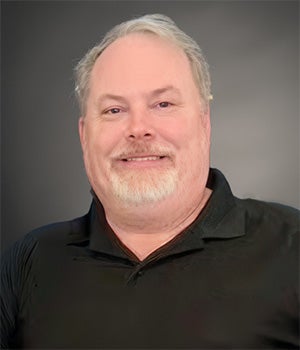
Jeffrey S. Bedwell
Professor
Program Director
Clinical Psychology Ph.D. Program -
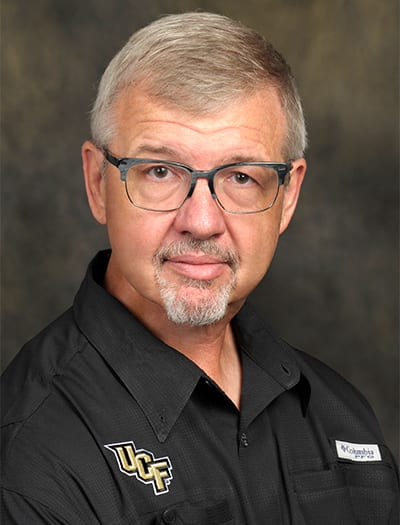
Clint Bowers
Professor -
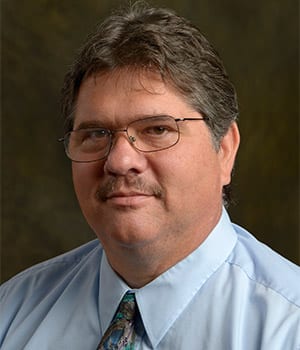
Jeffrey Cassisi
Professor -
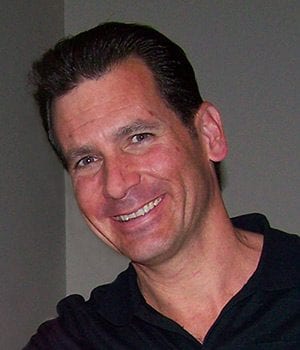
Michael E. Dunn
Professor -
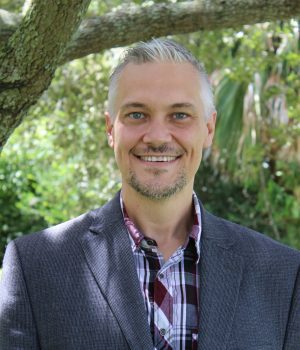
Robert Dvorak
Professor -

Lidia Meshesha
Associate Professor -
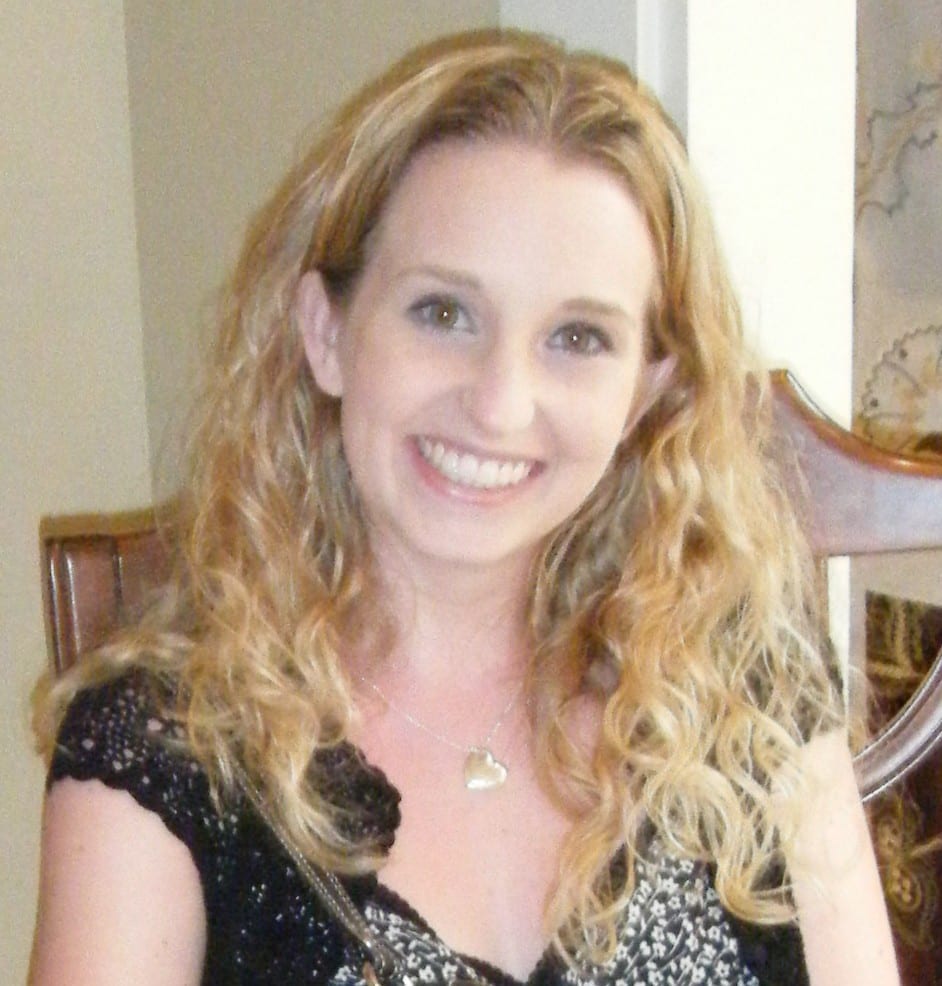
Amie Newins
Associate Professor
Associate Chair -
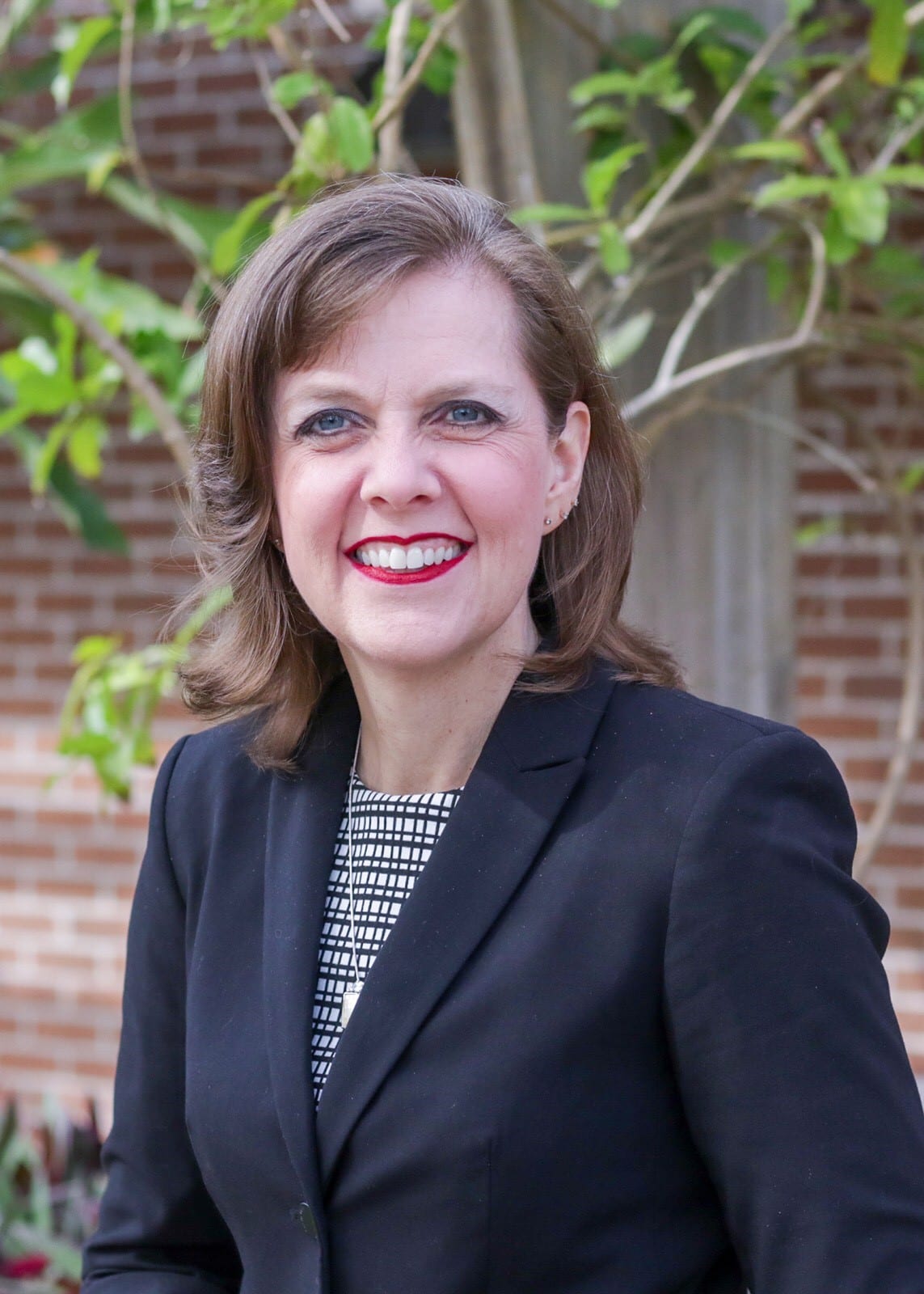
Kimberly Renk
Professor -
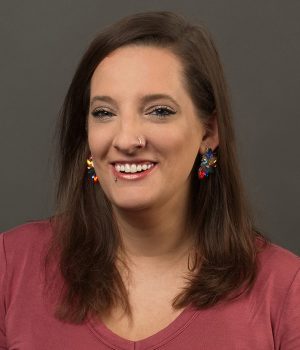
Jacqueline Woerner
Associate Professor